Along the Divine Coast
Sorrento settles in layers.
Arriving in wisteria season.
It hangs everywhere, softening the stone, pulling the place out of winter without much fuss.
The sun sits differently too, warm enough to turn the skin, not heavy enough to slow you down.
At the top, it’s all light. Balconies open, linen shifting slightly, dogs stretched out in the sun like they’ve claimed the place. There’s a constant hum underneath it, scooters passing through, the soft sound of horns drifting up rather than cutting across.
On Sundays, the bells ring out. Not just once, but through the morning, marking time whether you’re paying attention or not. It settles into the place, carries through the day.
It feels easy. Familiar, even. The same birds as home. Blackbirds, chaffinches. Just set against lemon trees and stone.
It feels level, until it doesn’t.
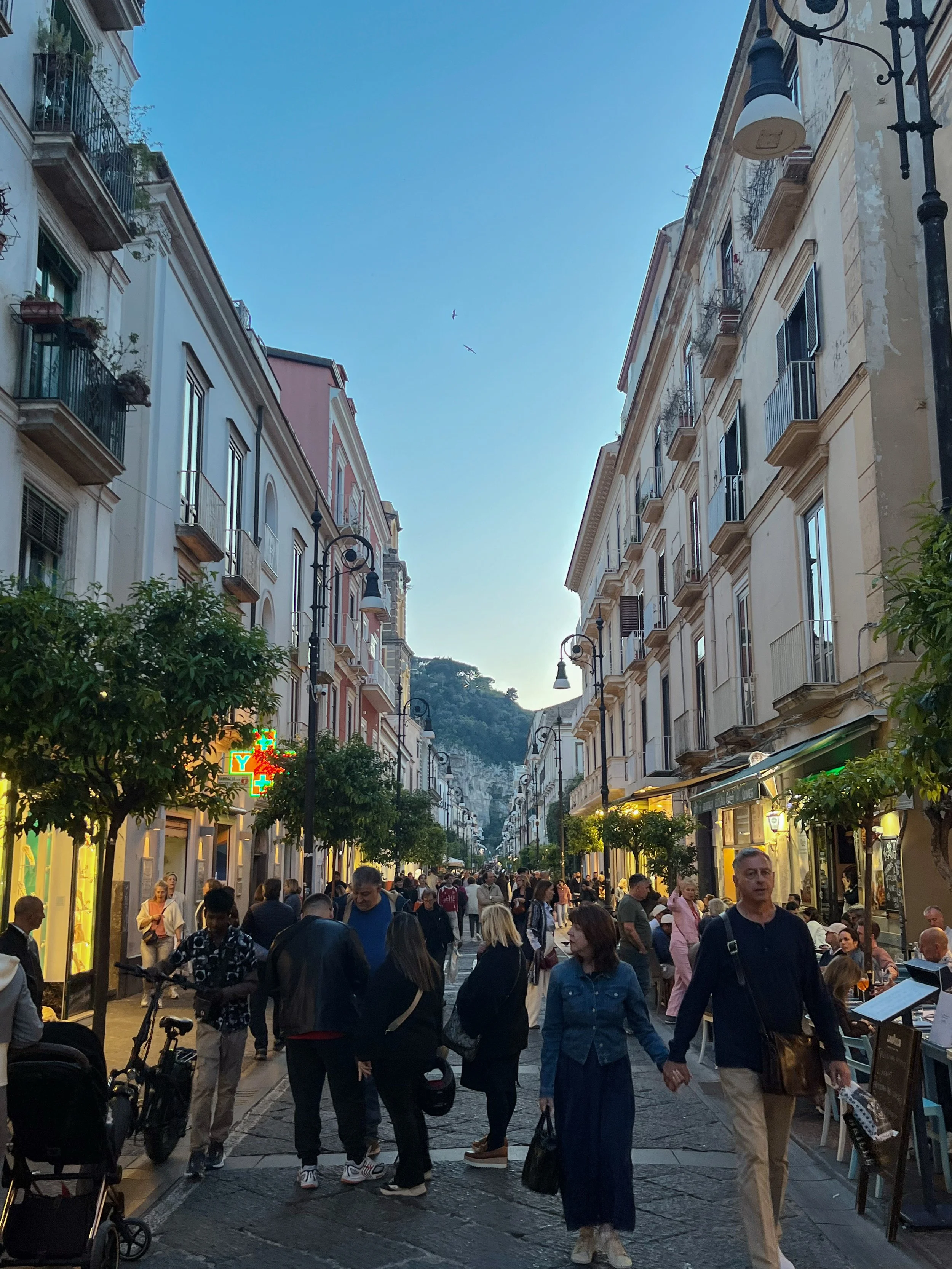
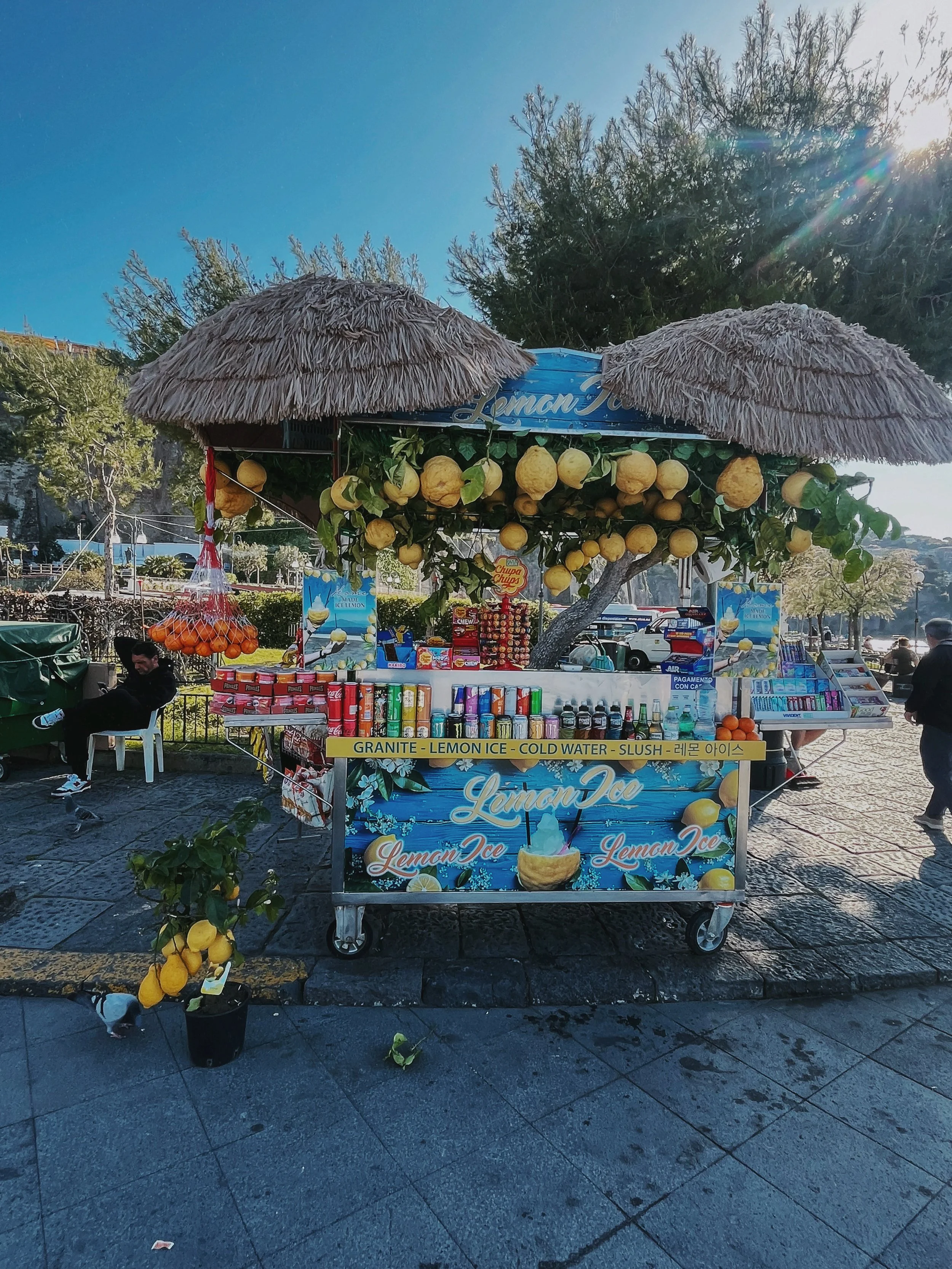
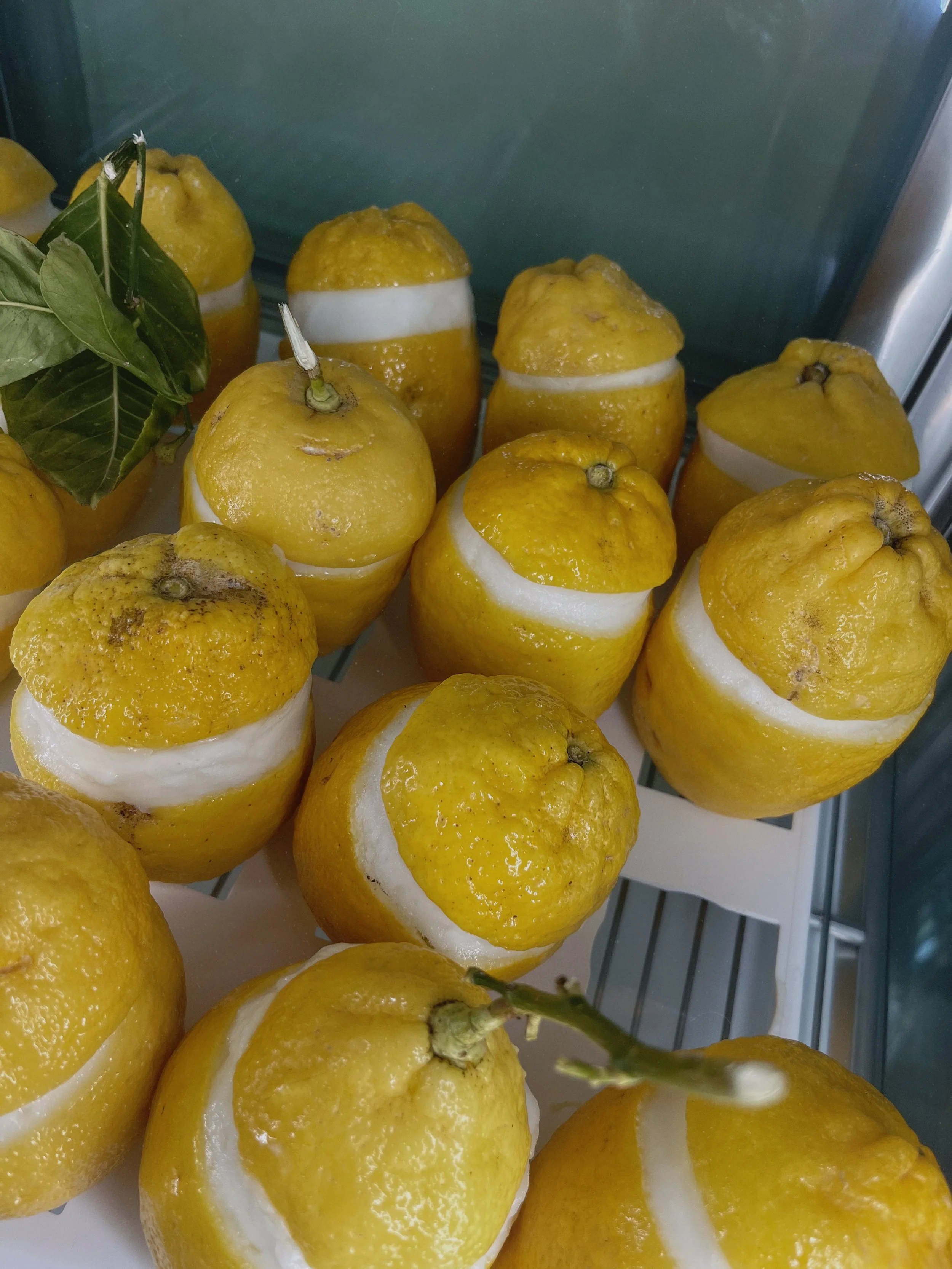
You move through it easily enough at first, then the streets start to tighten. Narrow, busy in their own way. Lemons everywhere, piled, hanging, printed onto things that don’t need it. That sharp hit of yellow against bits of bright azure that keep catching your eye.
And then there’s the food.
The front facing version first. Waiters stepping out, menus already in hand. Biblical strength menus you dodge, pretend you never saw. Menus as long as a receipt.
If you keep moving, it changes.
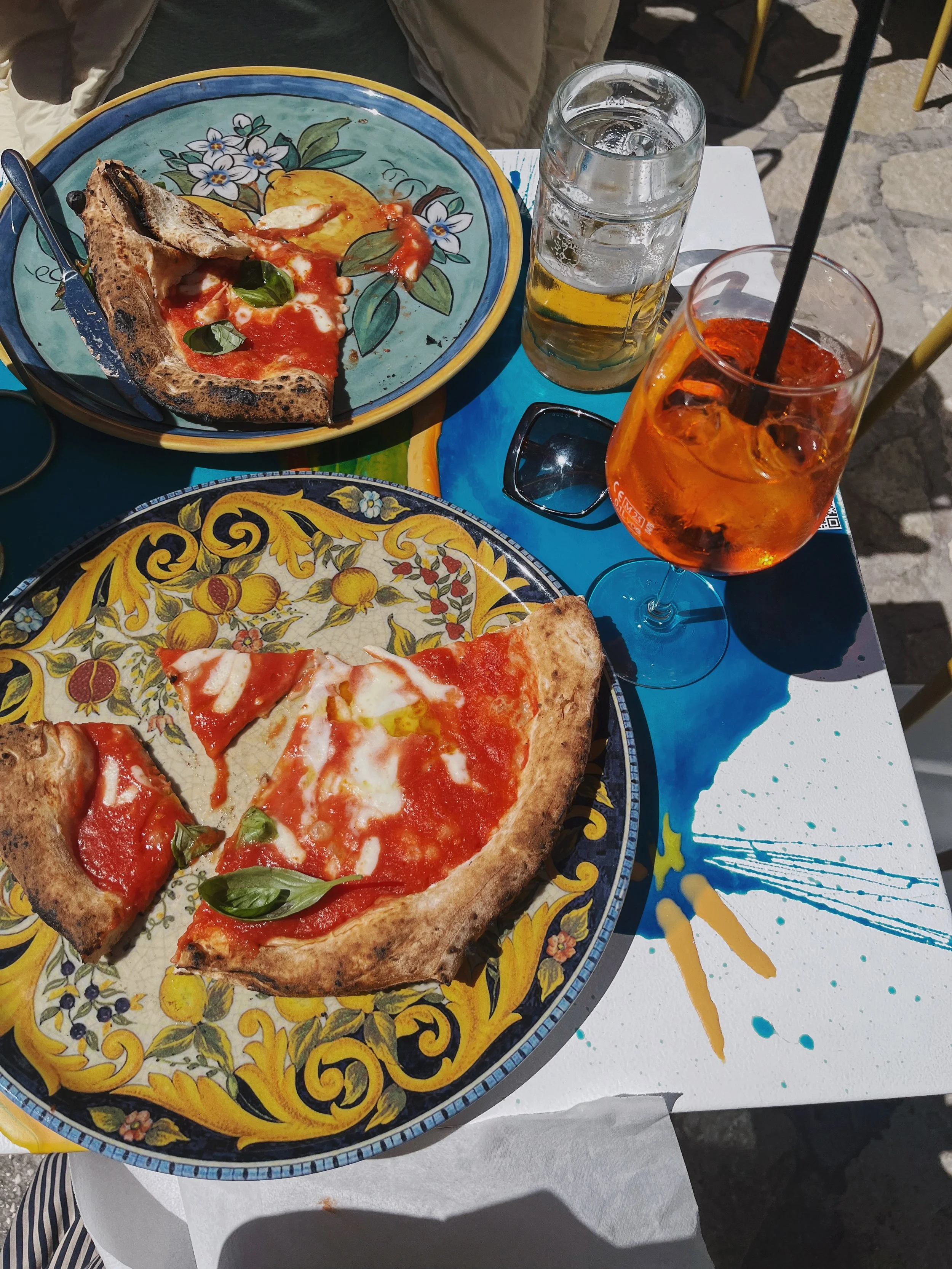
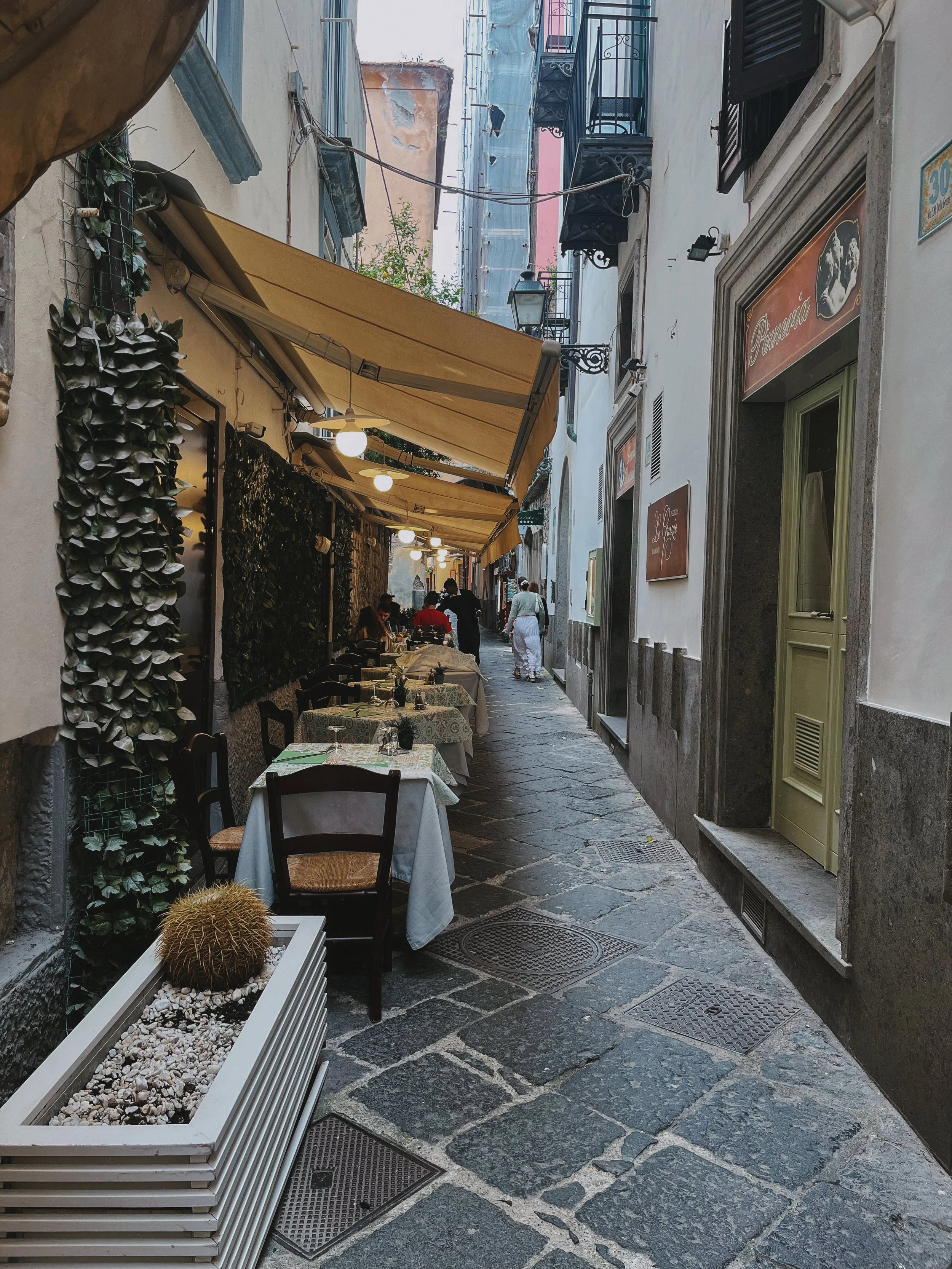
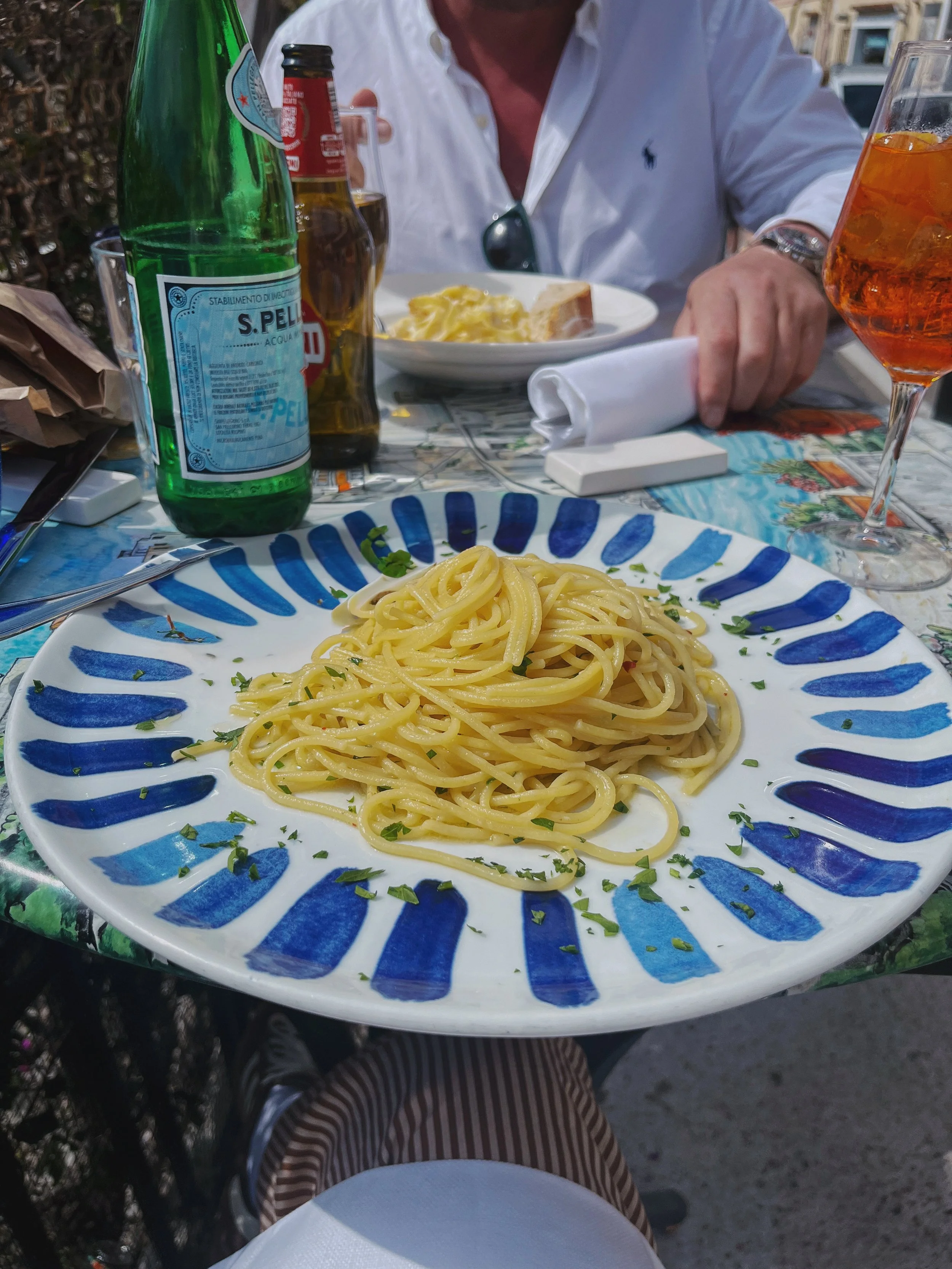
You find the places that don’t need to ask. Set back a touch, wood against the walls, tables close together. Glass tumblers, local red, garlic coming through from somewhere you can’t quite see.
Simple, done properly. You could sit there for hours without planning and then somewhere along the way, you catch a glimpse of the harbour below.
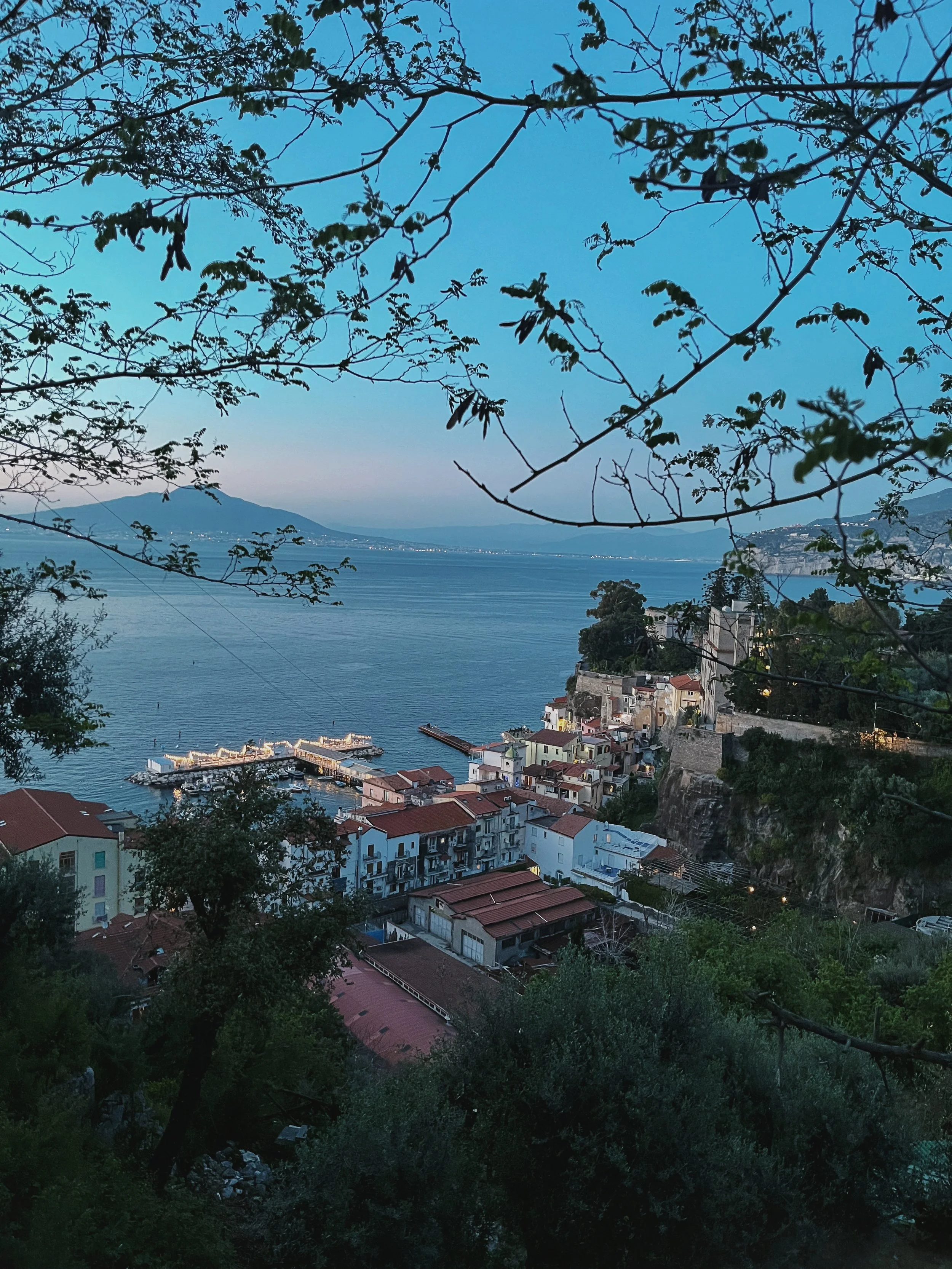
At some point, you decide to go down. Steps, paths, the drop pulling you towards the harbour like it’s nothing. Easy enough on the way. You don’t think about the return. At the bottom, it opens out.
The harbour edge, somewhere to sit, people lingering without much intention. Boats pulling in and out, some heading along the coastline, others out towards the islands. You could stay there longer than planned without trying.
And alongside that, the working part still sits there. Lobster pots stacked into each other, ropes coiled, tarps pulled over frames. Alongside the pots, fishing cafés are shoehorned into the rock. Tables you want to belong to and stay.
On the way back up, you stop. Not by design, just because you have to.
Small places tucked into whatever space they can find. Quick pit stops. Handmade arancini, cheese filled potato croquettes, and something cold to drink. You stand, perch, or take five minutes longer than you meant to.
Then carry on. That’s the reward along the road lined with orange trees and small lemon groves squeezed onto vacant pieces of land. Nothing is left idle.
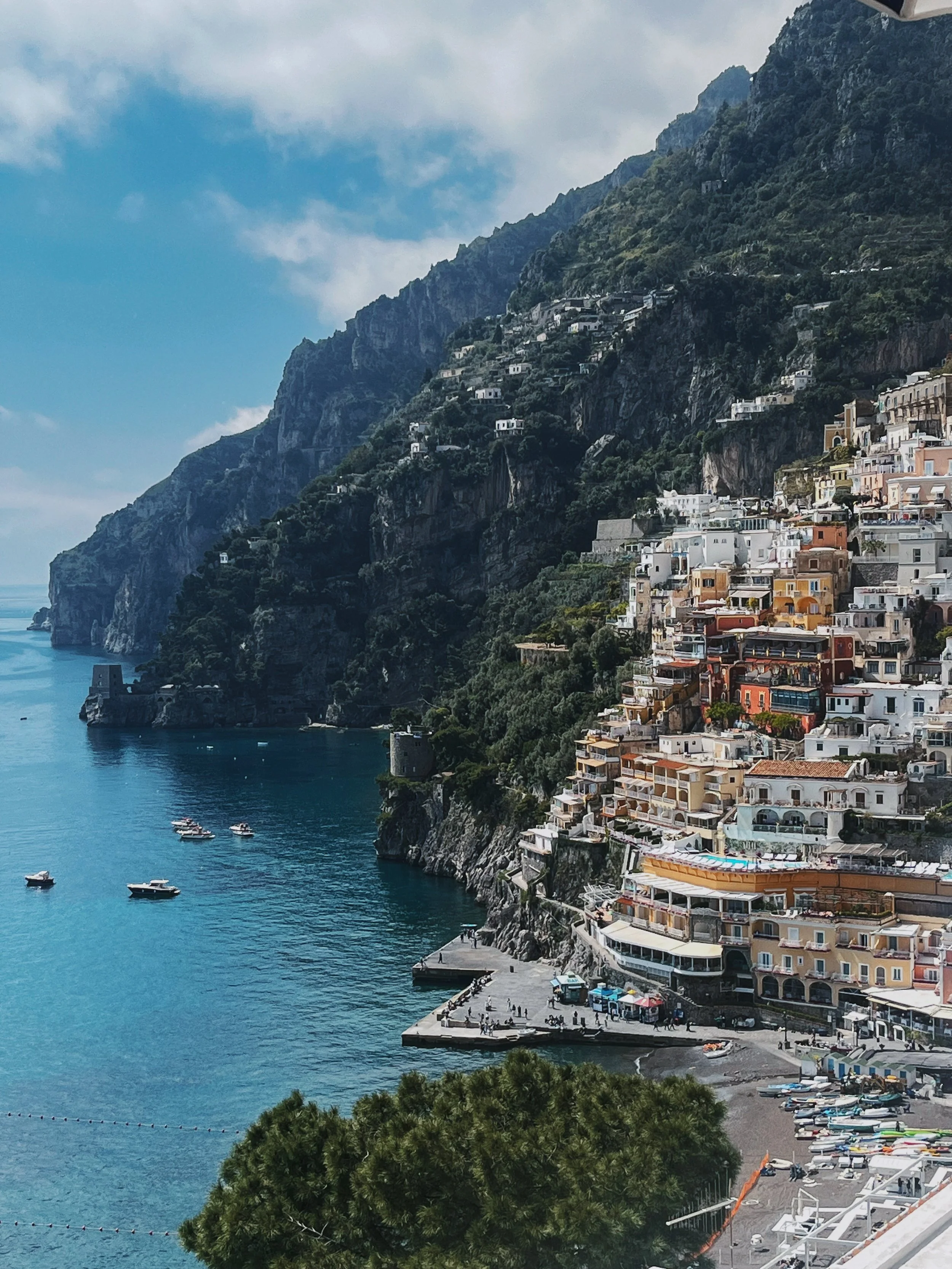
Positano doesn’t give itself up straight away.
At first, it feels like this is it. The view, the shops, the narrow pull of people moving through.
Something sits just below it. It doesn’t fit the picture above.
It’s being overlooked.
I wasn’t convinced.
You move through it.
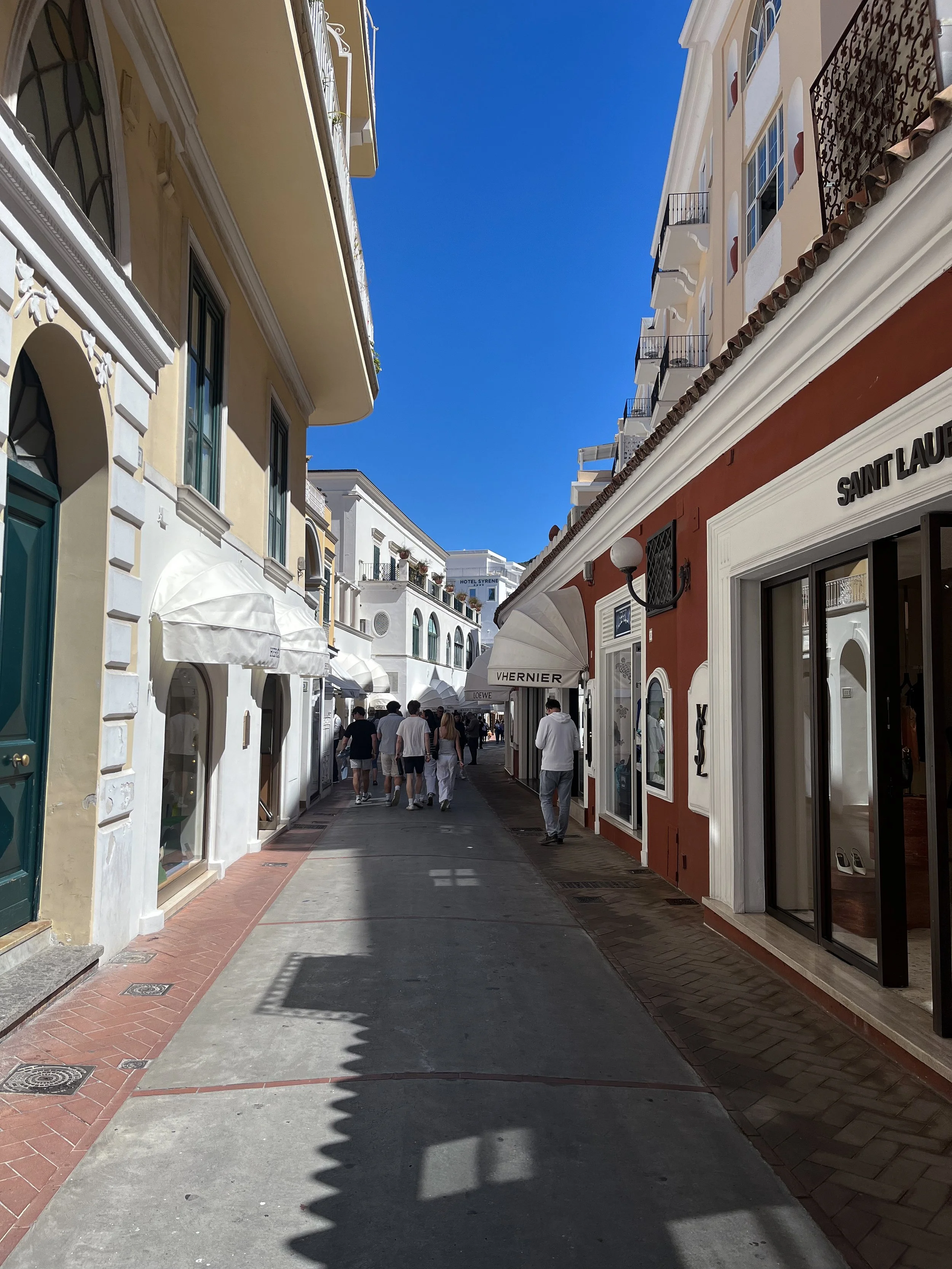
Straight off the boat and into it. Shops first, close together, everything on display. It feels like a lot. Too much, almost. Like this is the version you’re meant to see. There’s no easing in. Just up. Steps immediately, pulling you through it whether you’re ready or not.
It’s stacked in a way that doesn’t quite let your eye settle. Nothing flat, nowhere to rest. Everything layered, one thing pressed into the next. People moving constantly, up, down, across, never really stopping.
Cars appear where they shouldn’t fit. Parked in spaces that don’t make sense until somehow they do. It looks effortless, but everything about it is effort.
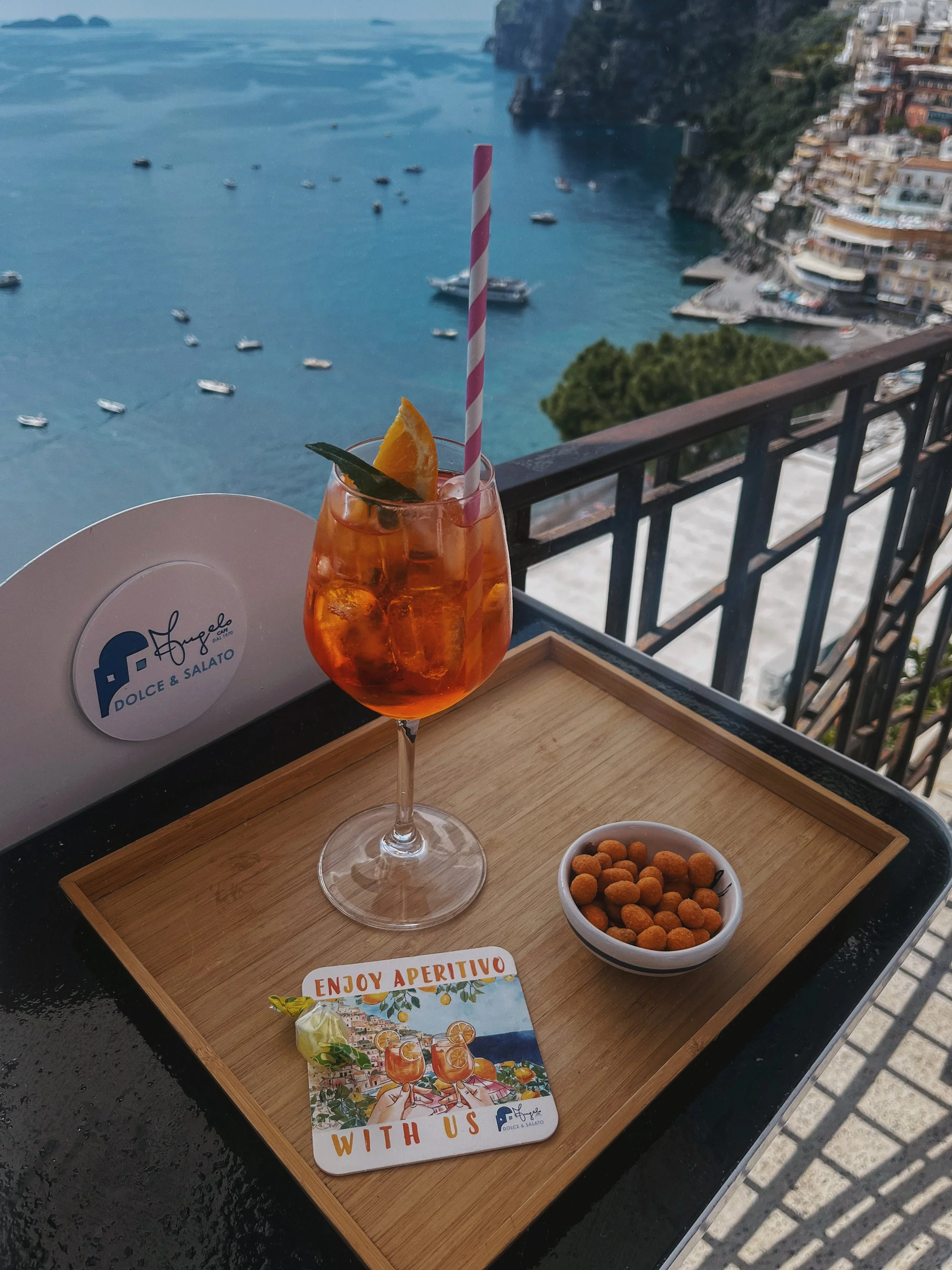
Citrus everywhere, not subtle, a proper punch. Plates, glasses, voices, all layered over each other. It feels curated. Set up to be seen rather than simply lived in.
You keep going, and then it shifts.
Not all at once. Just enough that you notice it.
You step out of the front of it, up or across, it doesn’t really matter. The shops fall away, the pace loosens, and it starts to feel like something else entirely.
Simpler. Quieter. More like what it’s meant to be.
We didn’t stay at the bottom of Capri.
Off the boat and straight into a taxi, up. No pause, no wandering through it first.
It winds through the streets, climbing quickly. Hairpin bends, tight turns, squeezing past buses and trucks where it doesn’t feel like there’s space for either.
Open top. Wind on your face, through your hair, pulling you out of where you’ve just been and into something else before you’ve had time to take it in.
Up to the top.
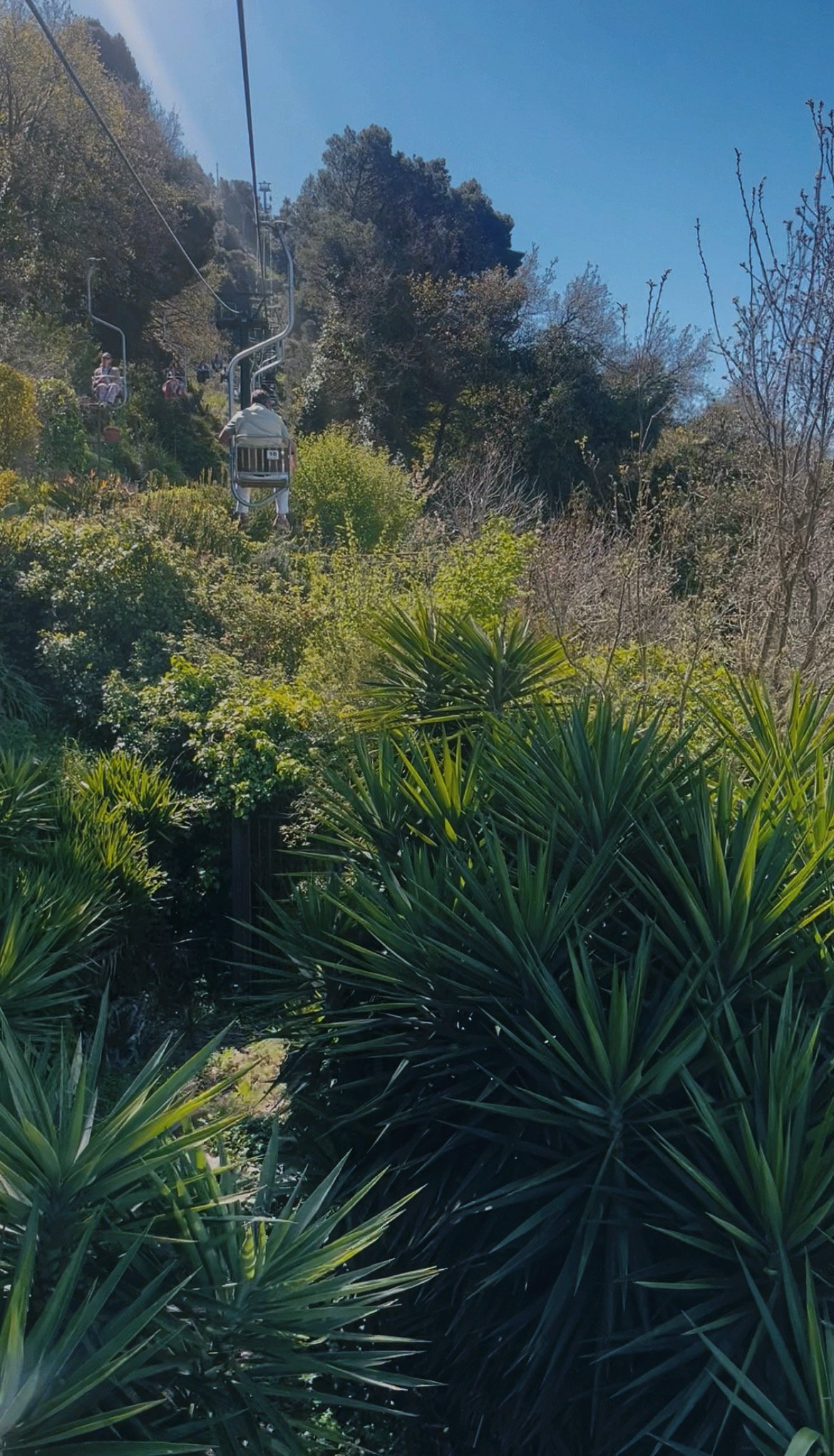
And then higher still, the chair lift pulling you up again, dangling, the place dropping away beneath you.
Moving over residents’ gardens, my familiarity settles in again.
Broad beans at chest height. Artichokes rising high, leaves stretching out, claiming their space. Vegetable plots set in rows, the ground being used, not styled.
Then it opens out.
It climbs over Capri’s rock and scrub, the cultivated giving way to something wilder, the edges softening as the island takes over again.
Back down.
We stop for something to drink, something to eat. It’s relaxed. Not manicured. The rougher edge of Capri, the part that doesn’t try.
A taxi halfway down to the town, riding the bends again, the turns pulling you back into it. Waving to scooter riders behind.
And then the polished version of Capri reveals itself.
Everything in its place. Clean, held together, nothing out of line.
Like a French polish. Smooth, finished.
No grit.
Jane