
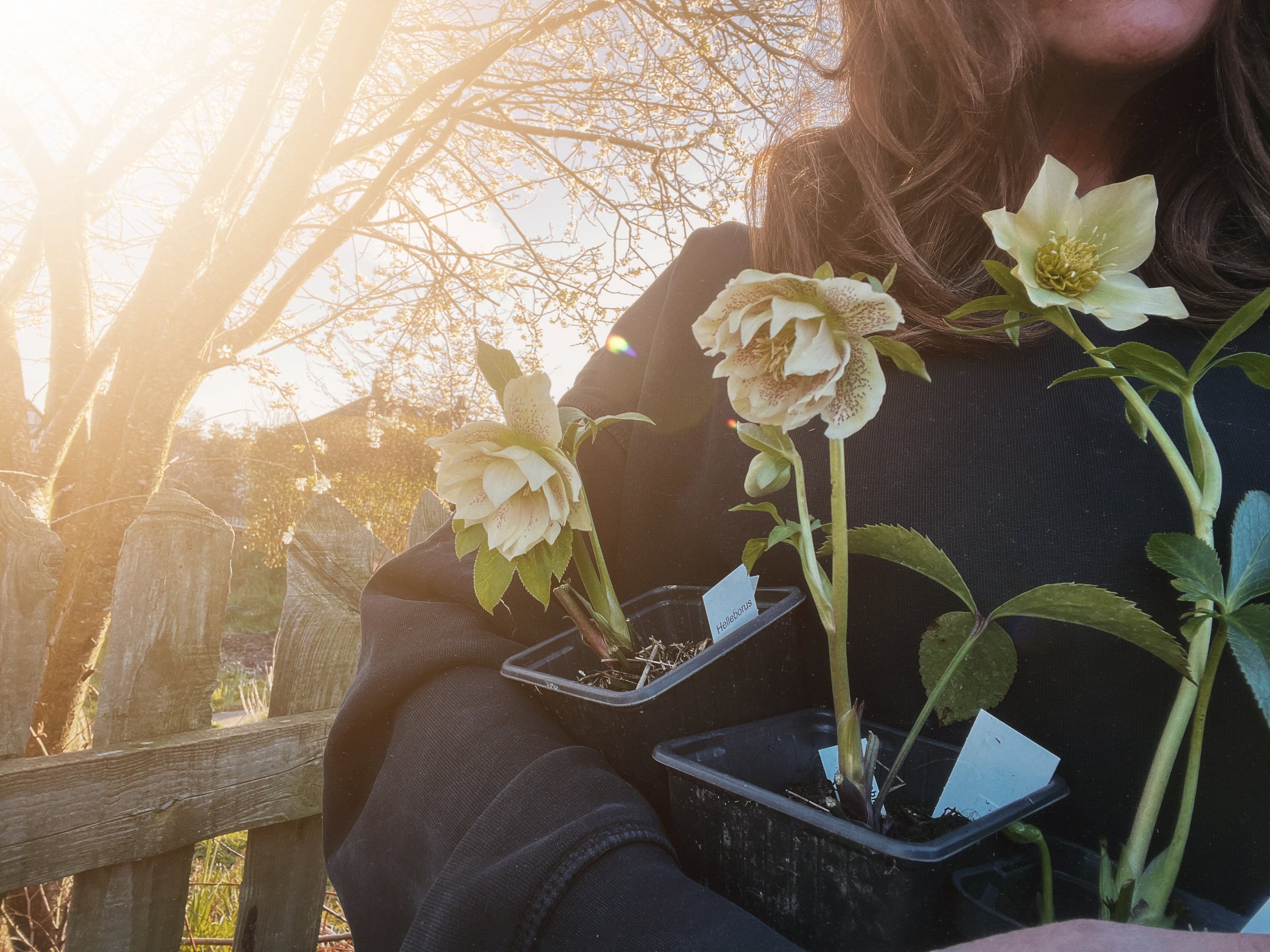
Growing through the winter.
Hellebores in the garden.
Where they work, how they settle.
And why they’re worth paying attention to.
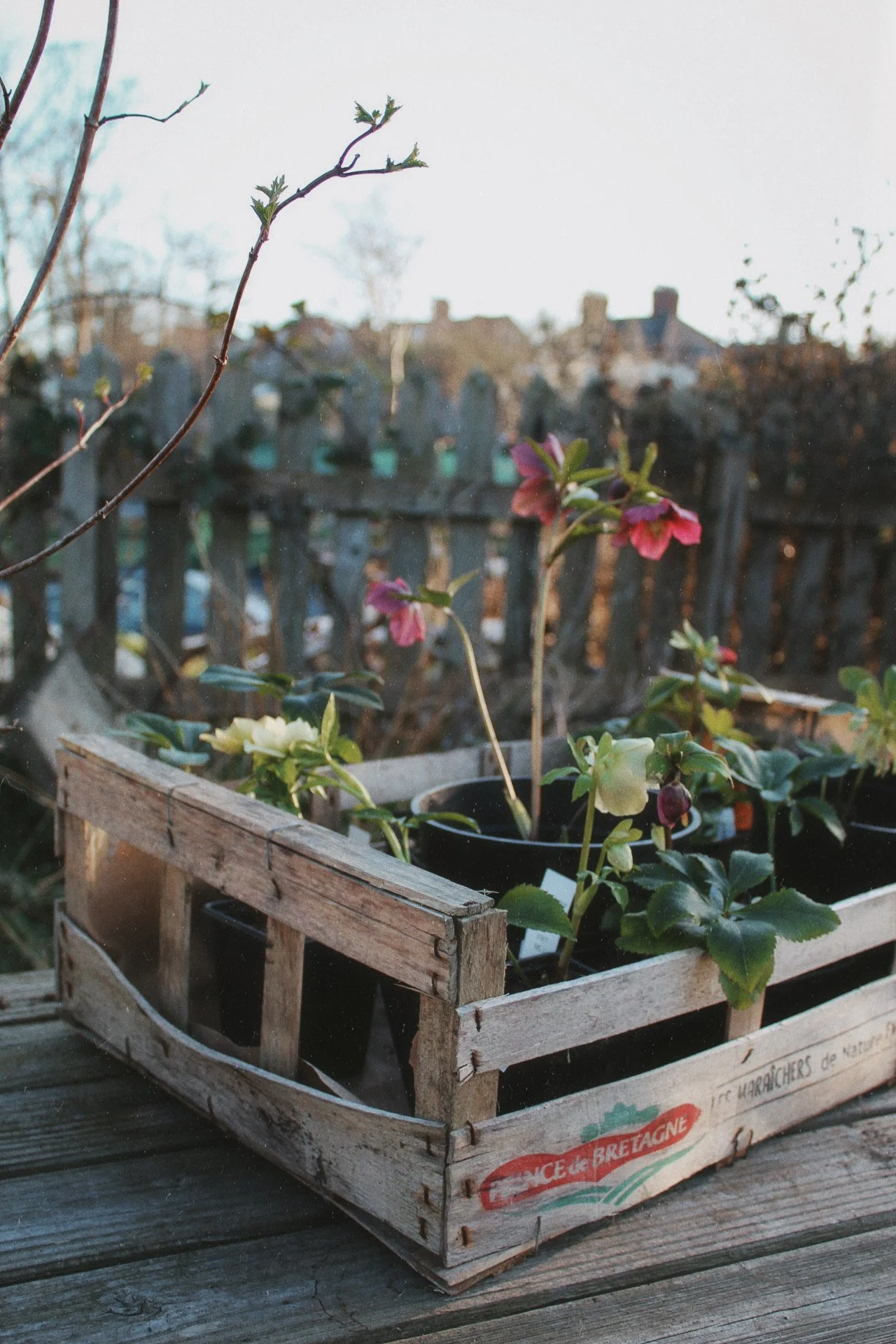
If you have a corner that feels forgotten in winter, this is where they belong.
Hellebores don’t arrive loudly.
They sit low, facing the ground, flowering when almost nothing else dares.
You don’t plant them for show. You plant them for the moment you notice.
They’re not centre stage plants. They’re edge-of-the-scene plants.
The ones you notice when everything else has stopped performing.
Along paths where you have to look down
Near entrances, not for show, but for you
In drifts, not dots
And once they’re in, you stop thinking about them.
They settle into the background, doing exactly what they’re meant to do.
Until one day, on your way past, you catch them, low, steady, already there and realise they’ve been carrying the garden through when nothing else would.
They’re not demanding plants, but they are particular.
Once they find their place, they’ll stay there for years, quietly building, not rushing.
Flowering: January to March, often earlier in mild winters
Position: Partial to full shade, sheltered from harsh wind
Soil: Moist but well-drained, happiest in heavier soils (clay is fine)
Height & spread: Around 30–45cm, forming slow, steady clumps
Evergreen: Most varieties hold their leaves year-round
Longevity: Long-lived perennials that improve over time
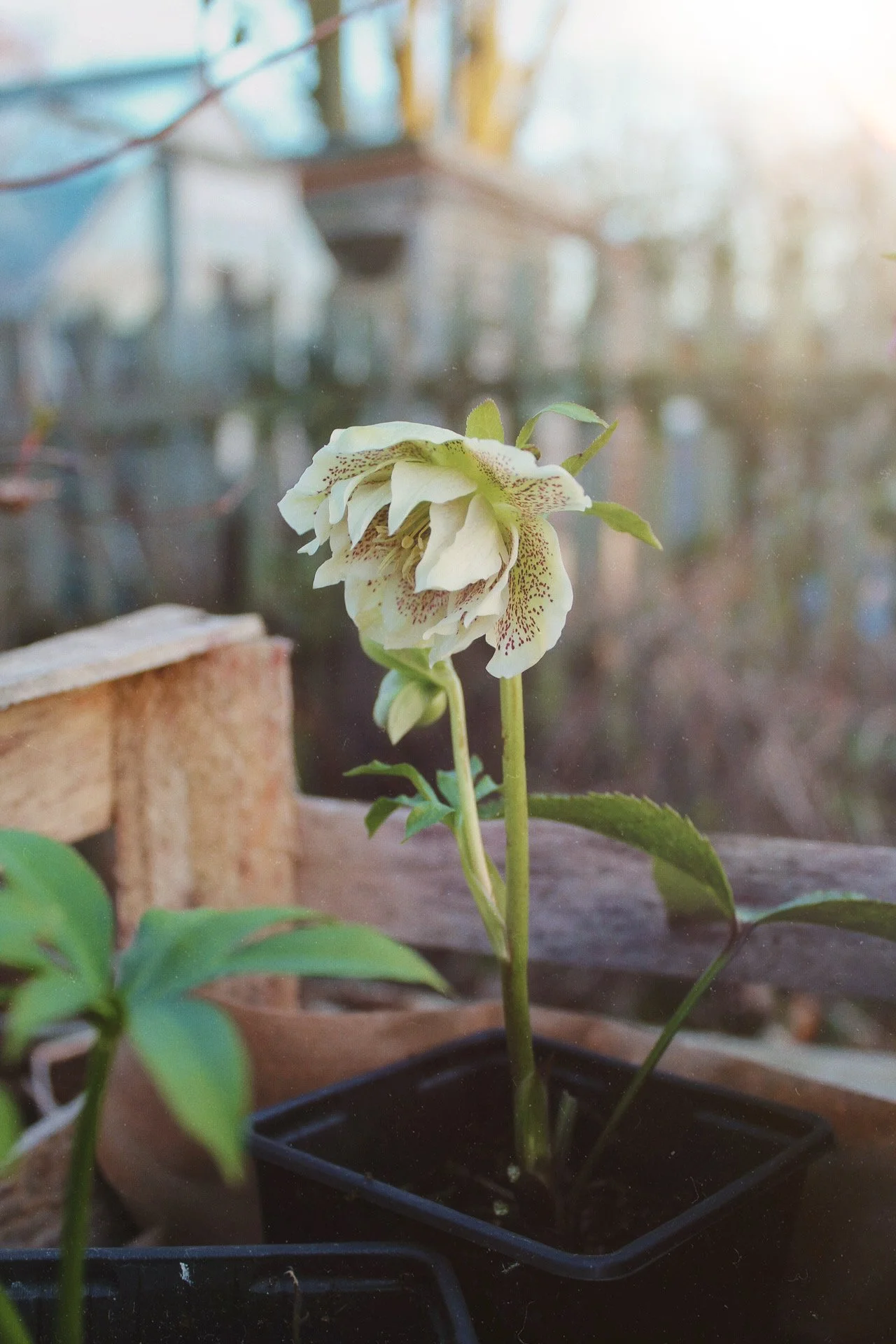
Hellebores, at a glance
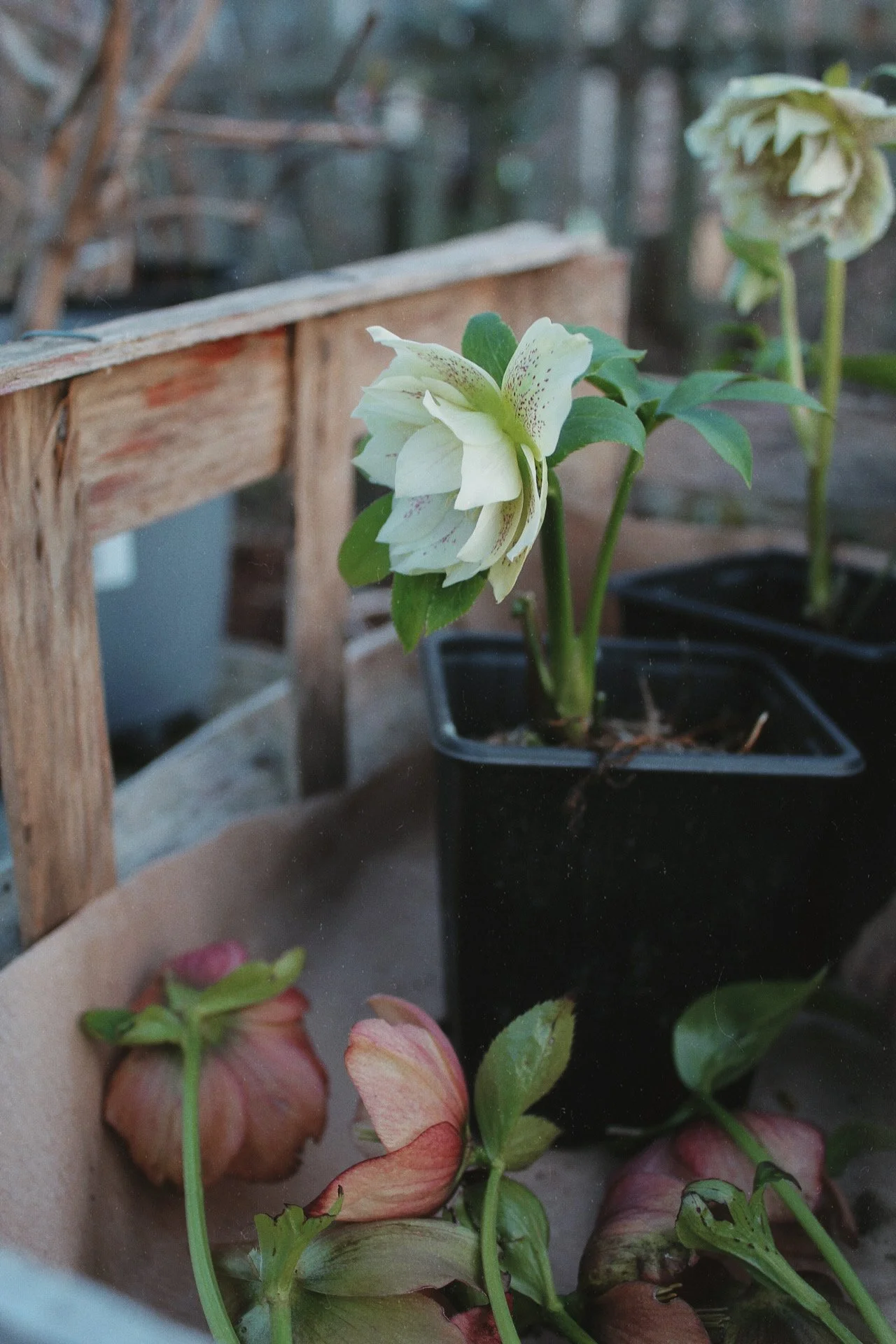
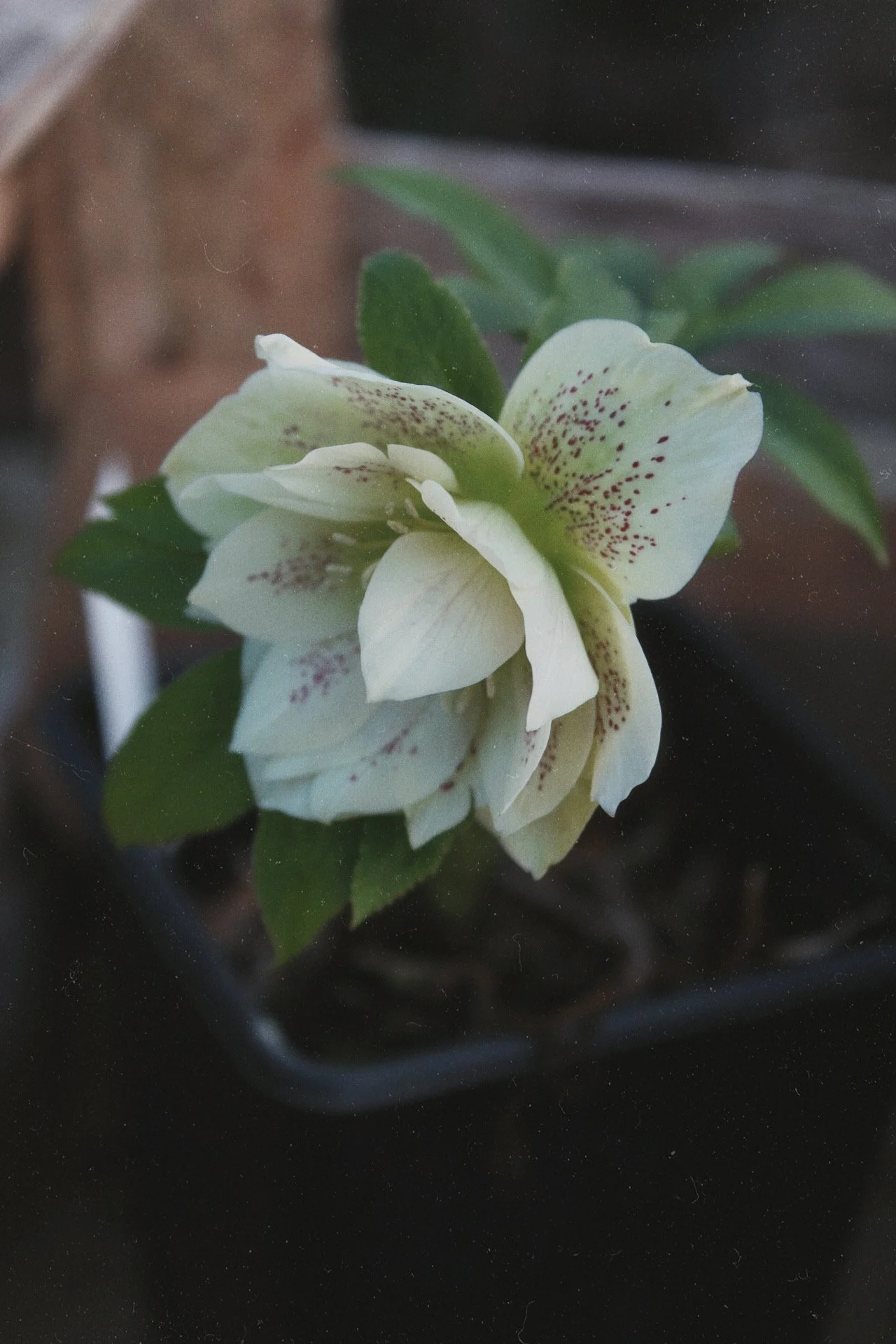
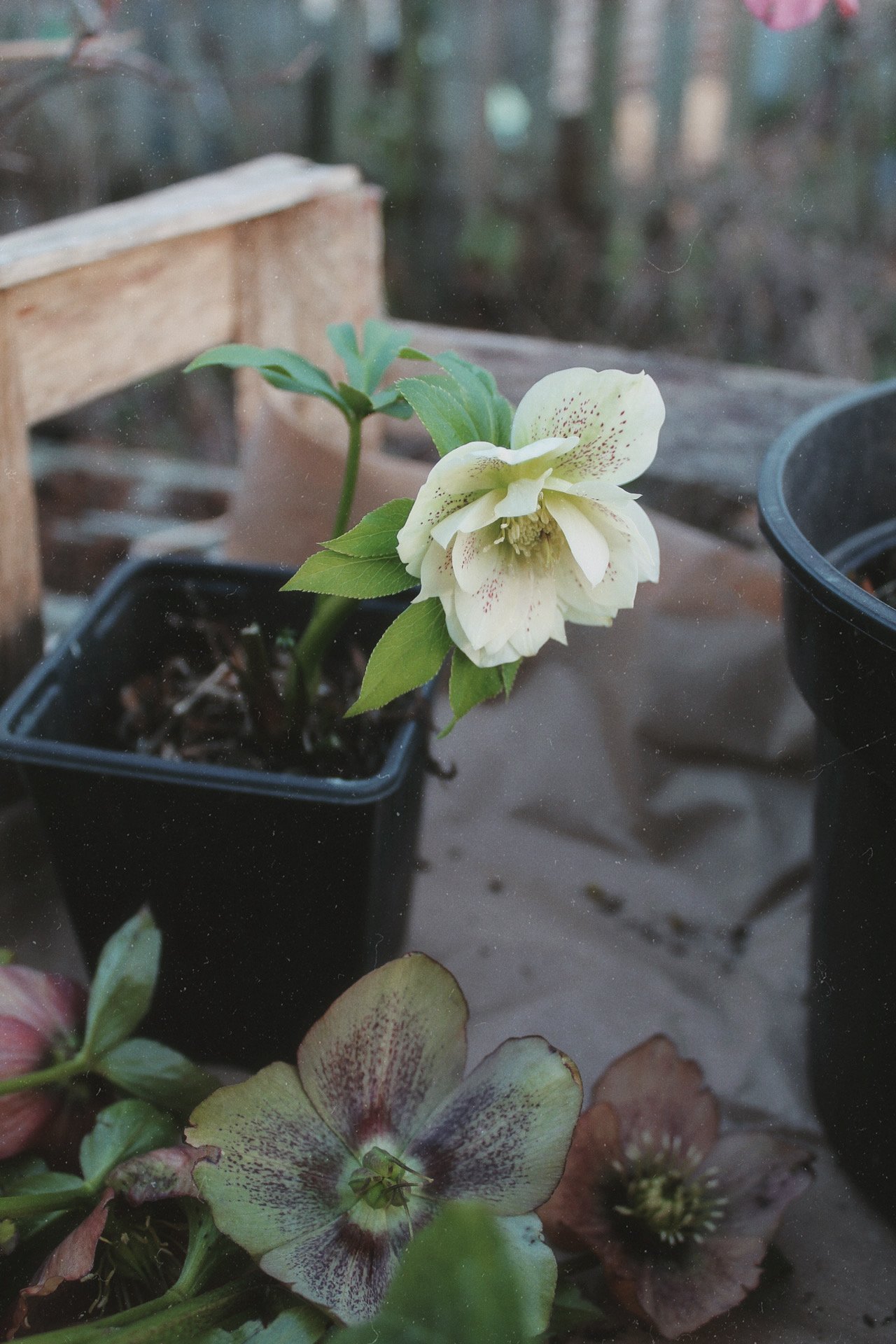
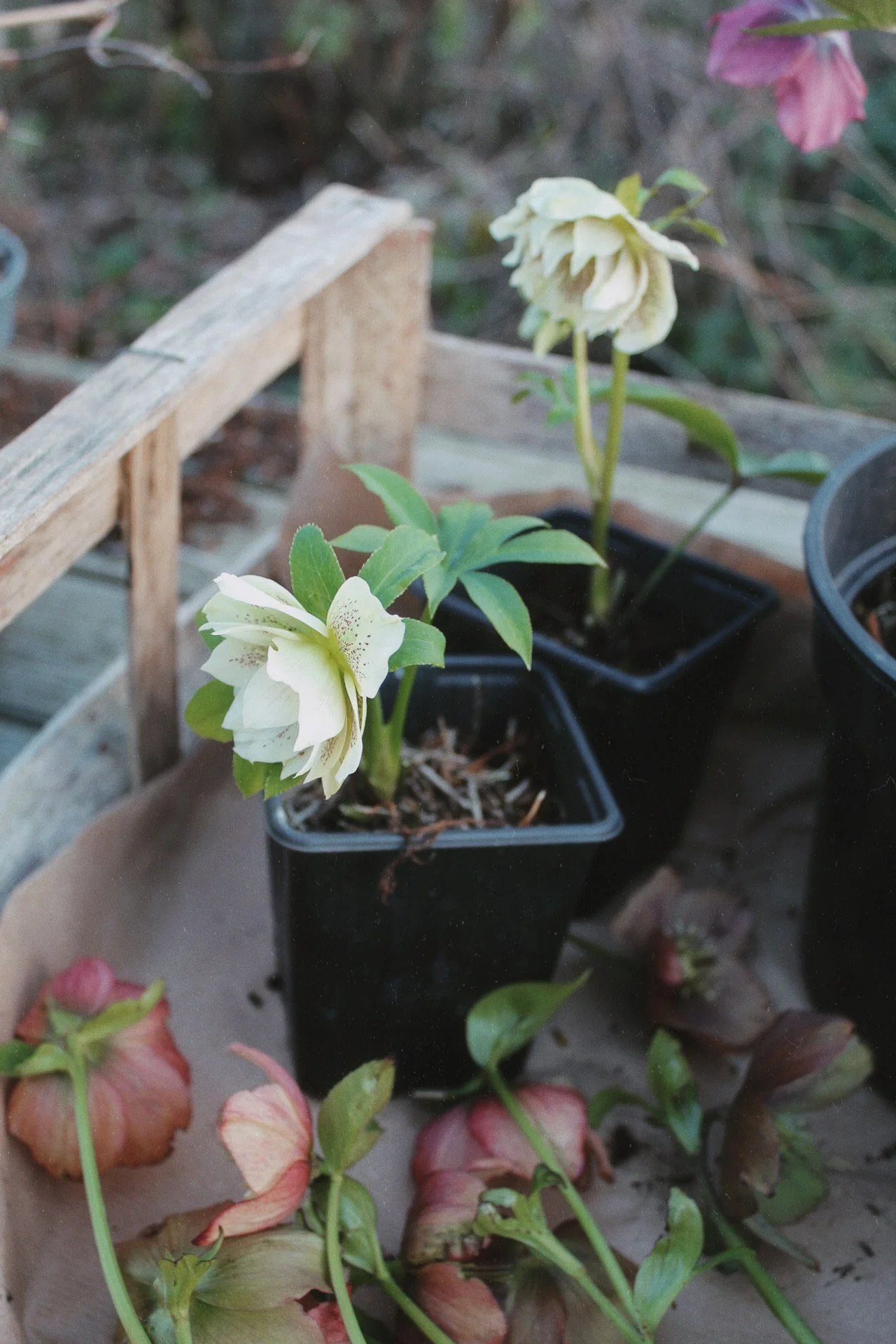
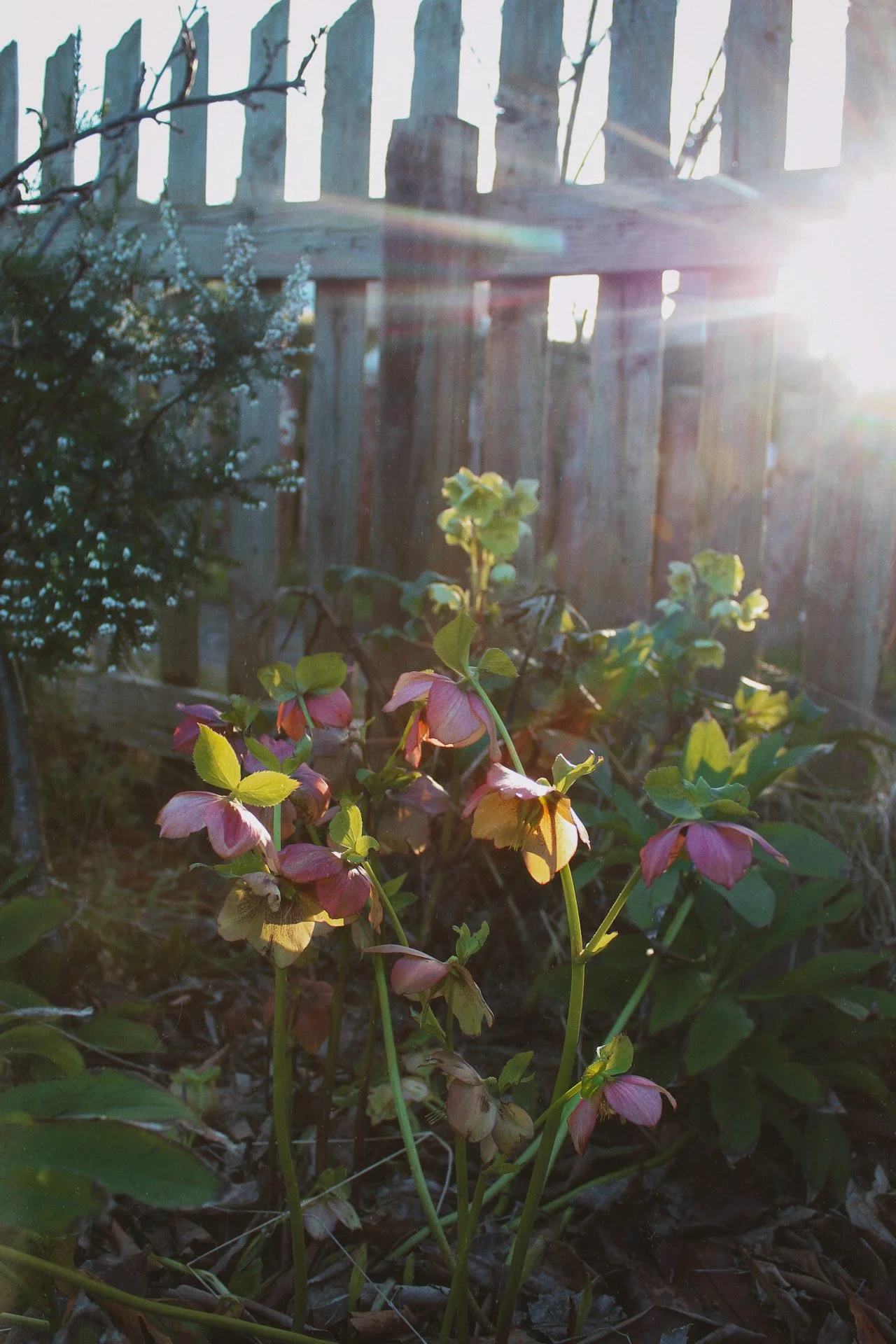
They arrive just as you’re questioning whether anything will grow again.
Cut away old or damaged leaves in late winter before the flowers fully emerge.
Leave the fresh growth and flowers to come through cleanly.
Once planted, try not to move them unless you have to.
They prefer to settle and stay put.
They self seed. Seedlings take a couple of years to flower.
Colours won’t come true, this is part of their charm.
They don’t need managing. They need leaving. If you let them, they’ll make their own decisions.
Hellebores will often cross on their own if you grow a few together. Bees do most of the work, moving between flowers in the colder months when little else is in bloom. The seedlings that follow won’t come true, which is why no two plants are ever quite the same.
If you want to be more deliberate, you can cross them yourself. Choose two plants you like, and on a dry day, use a small brush to move pollen from one flower to another. It’s a slow process, and the results take time, but it’s one of the few ways to shape what comes next.
As the flowers fade, seed pods begin to form, swelling slowly through spring. If you want to collect them, keep an eye on them, as they ripen quickly and will split without much warning. Fresh seed is best sown straight away, as it doesn’t store well and can lose viability if it dries out. Sow onto moist compost and leave outside. They need the shift from warmth into winter cold to germinate, so patience is part of it. Seedlings usually appear towards the end of winter, often months after sowing.
Most of the time, though, it’s better to let them decide. The seedlings that appear, sometimes years later, tend to suit the space they’ve chosen. Not always perfect, but often more interesting than anything you could have planned.
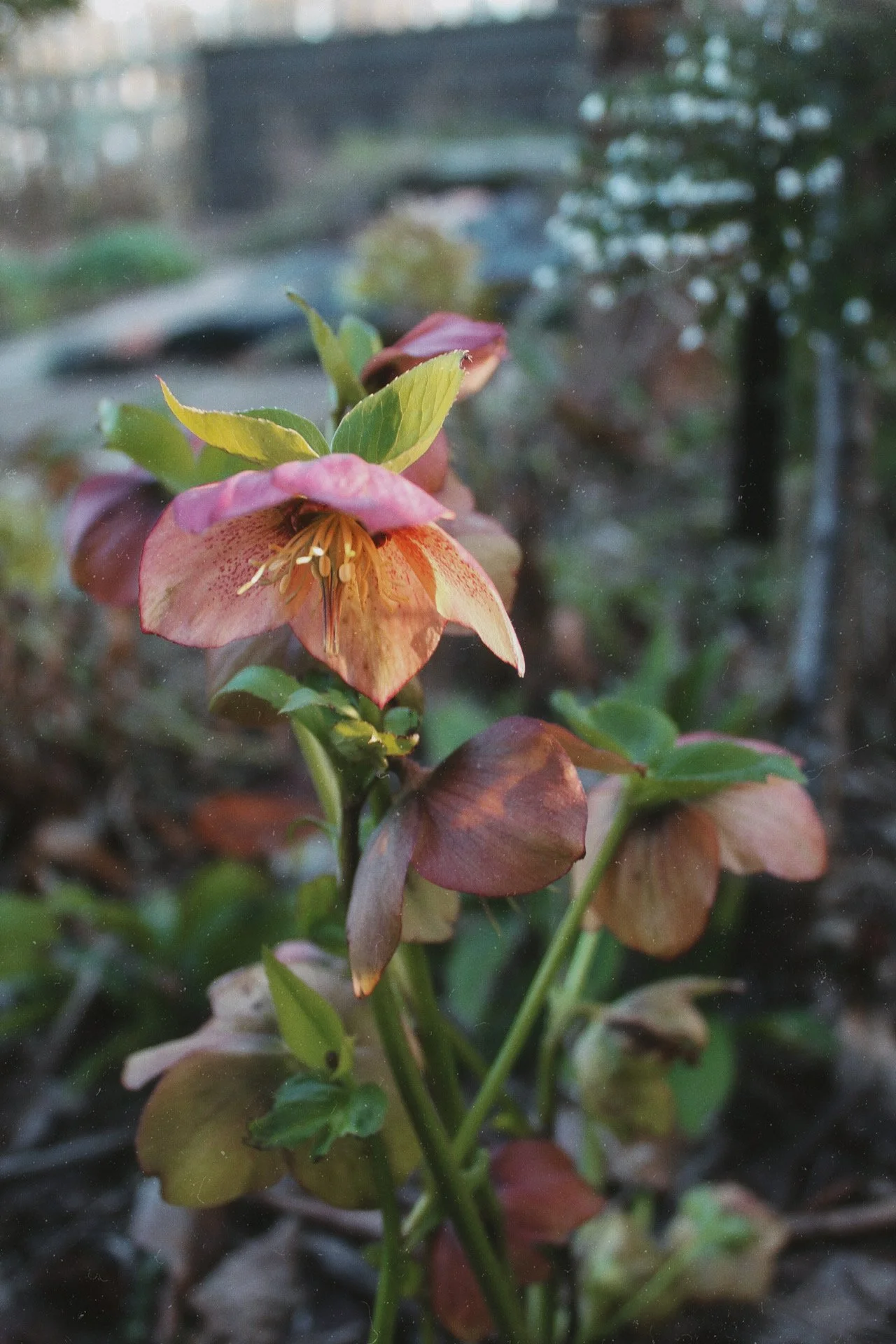
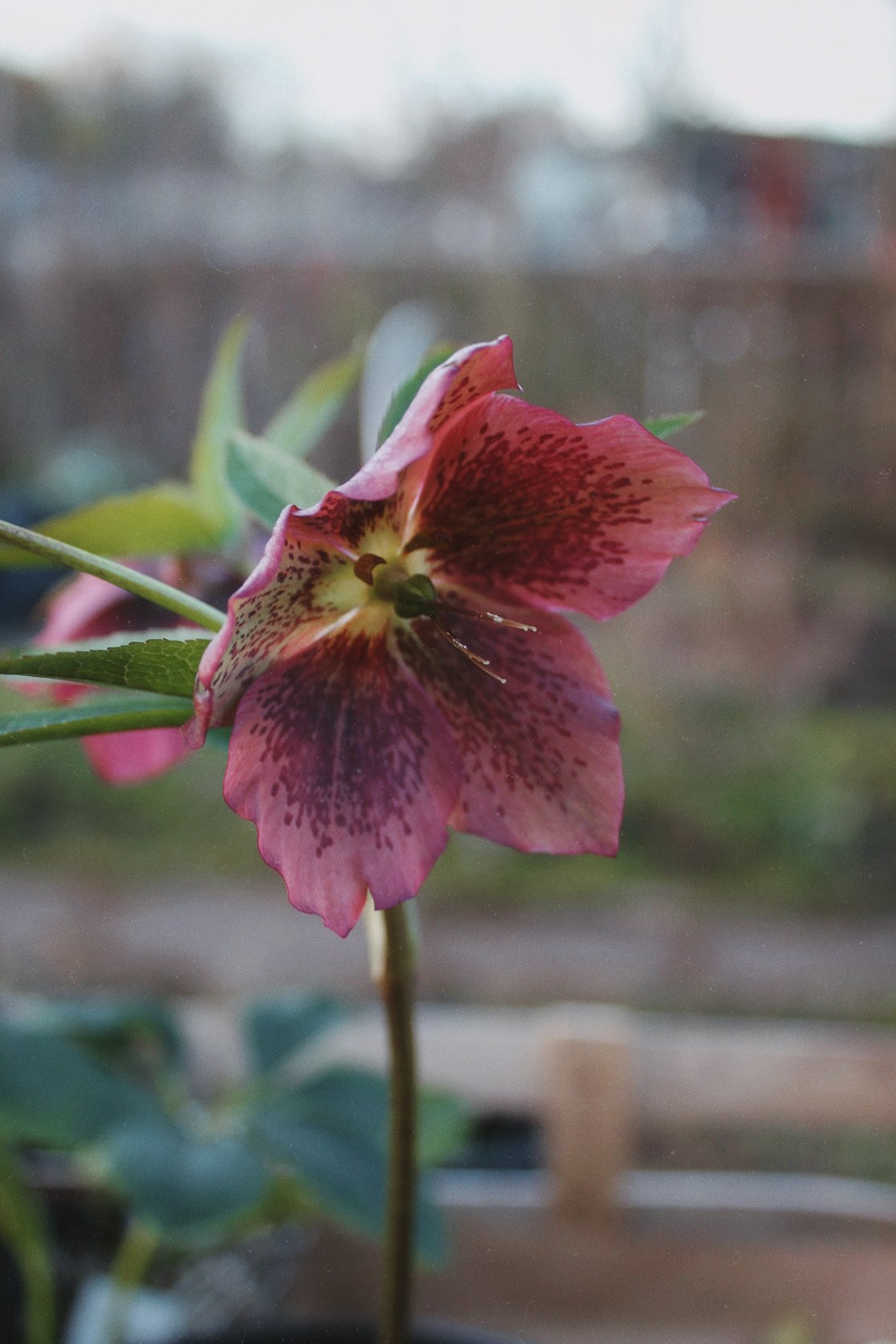
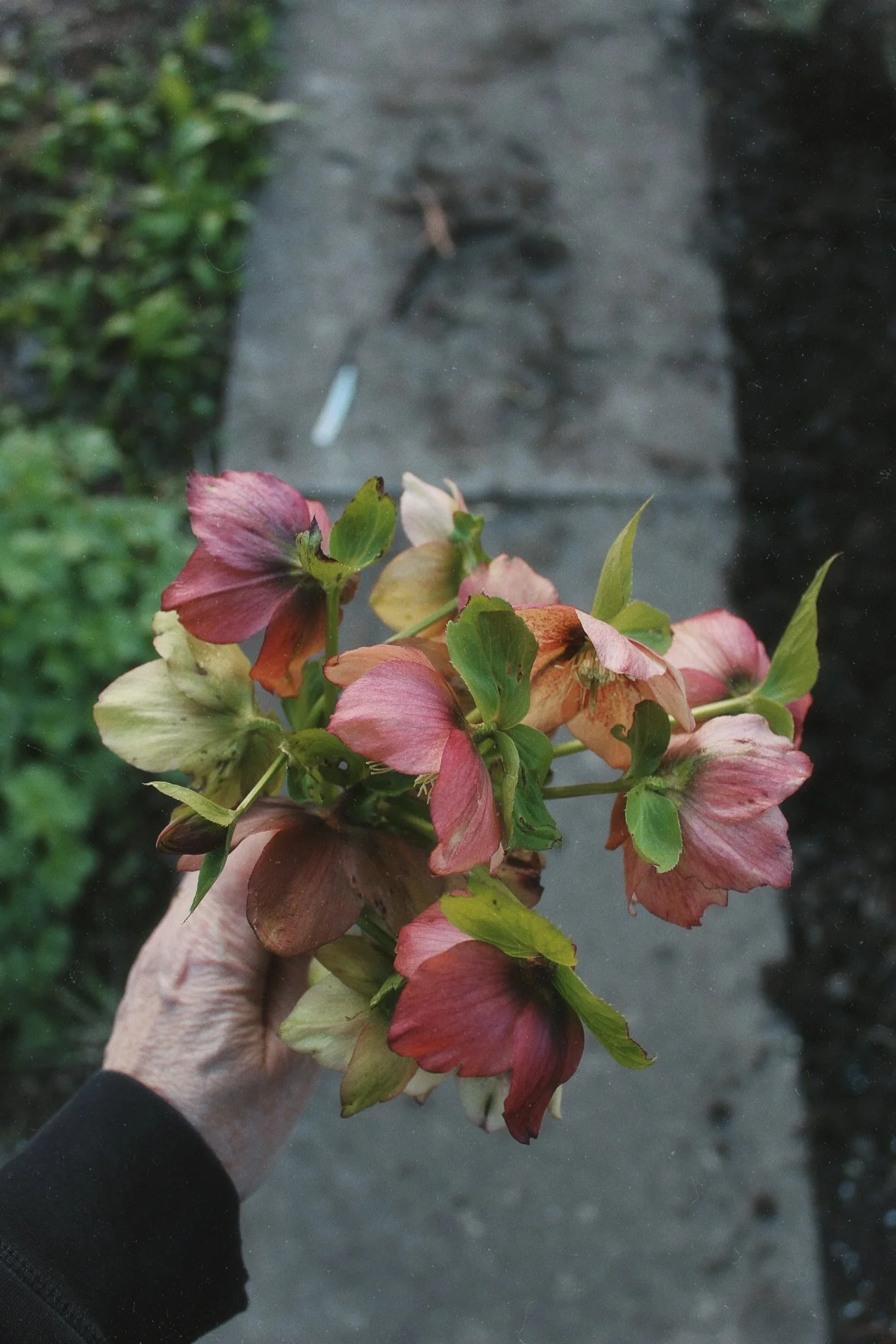
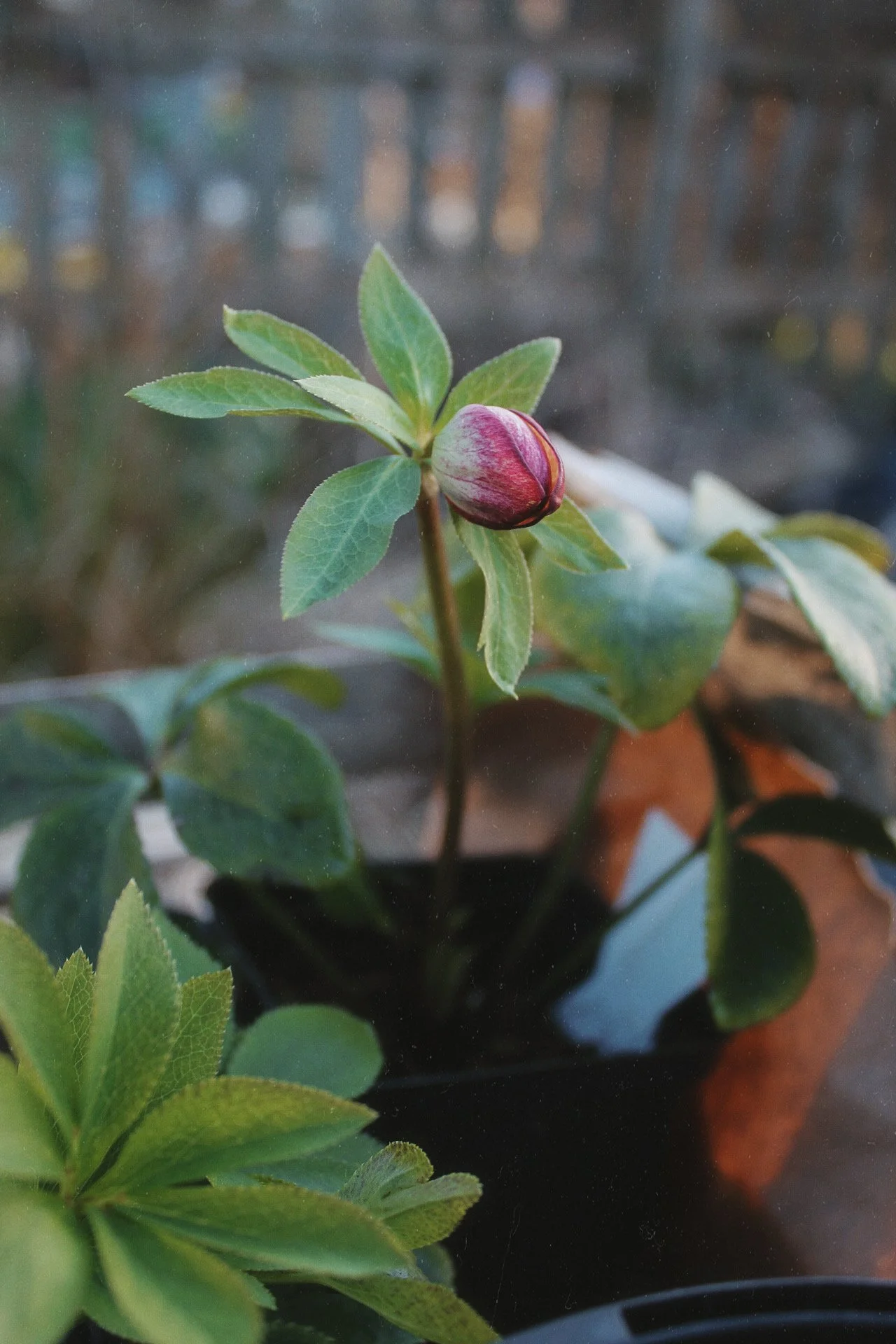
You notice them properly when you slow down.
They reward familiarity more than attention.
And the best ones never need to show off.