Jane
I came to growing through practice rather than training.
In 2012, I began growing regularly in an allotment, alongside a full time working life. From the beginning, sowing from seed was central to how I learned through repetition, mistakes, and gradual understanding rather than instruction. There is a discipline in starting at the beginning each season, and a particular satisfaction in seeing something progress from seed to plant through time and care.
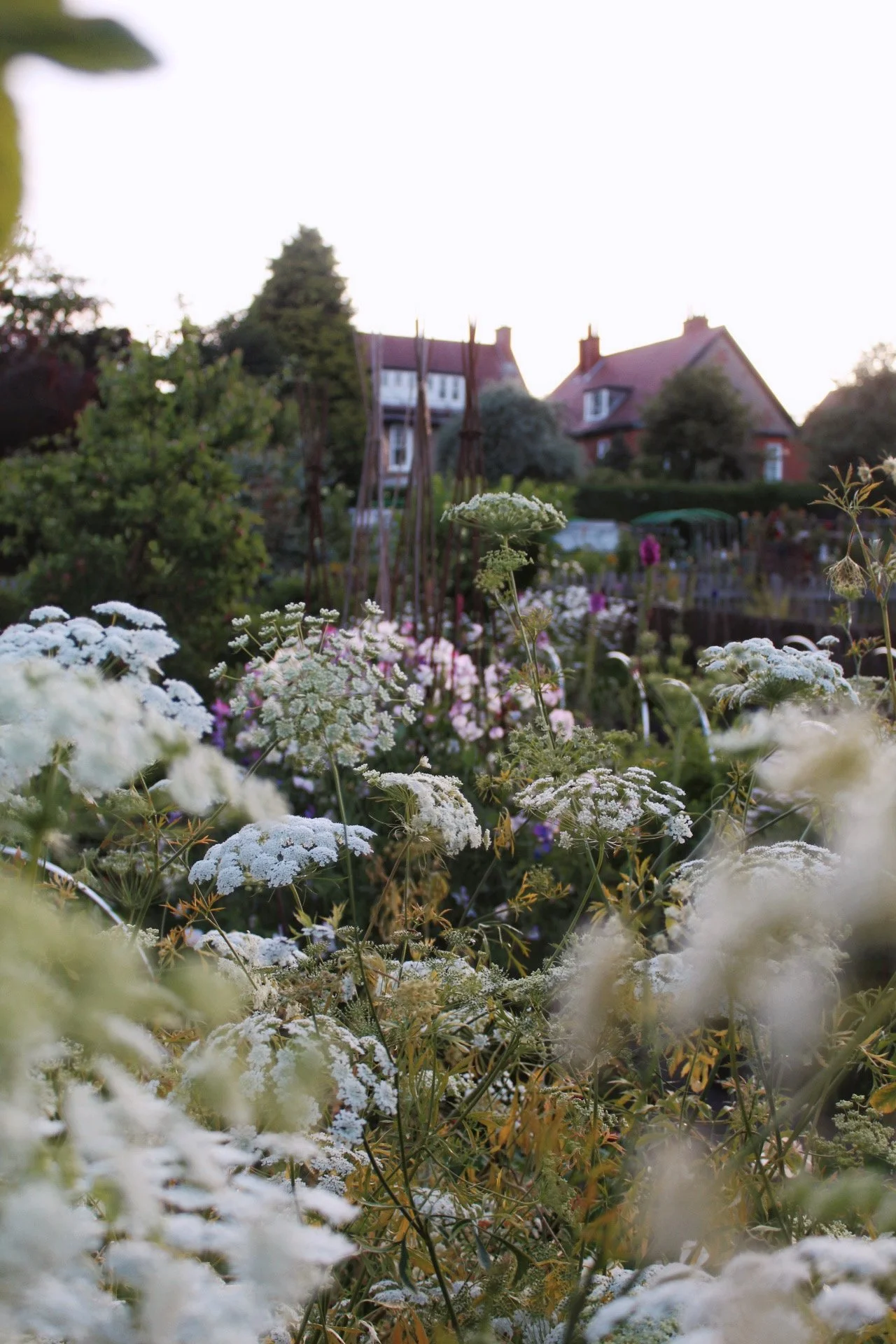
What started with vegetables and herbs slowly expanded. Flowers followed, grown from seed, tuber, and corm, and the allotment garden developed into a potager ornamental as well as a productive one. Flowers form a majority of the framework, grown for structure and seasonality, from early sweet peas through to late summer dahlias and autumn chrysanthemums with vegetables and herbs woven in among them. Attention is paid not only to what is grown, but to how it sits within the space.
I grow organically and work with the conditions rather than against them. This often requires restraint and acceptance. Some plants thrive, others don’t return, and choices are revised year on year. Perennials establish and settle, annuals reassessed each season. The garden is shaped as much by what is removed as by what is added.
There was no original intention to build a business.
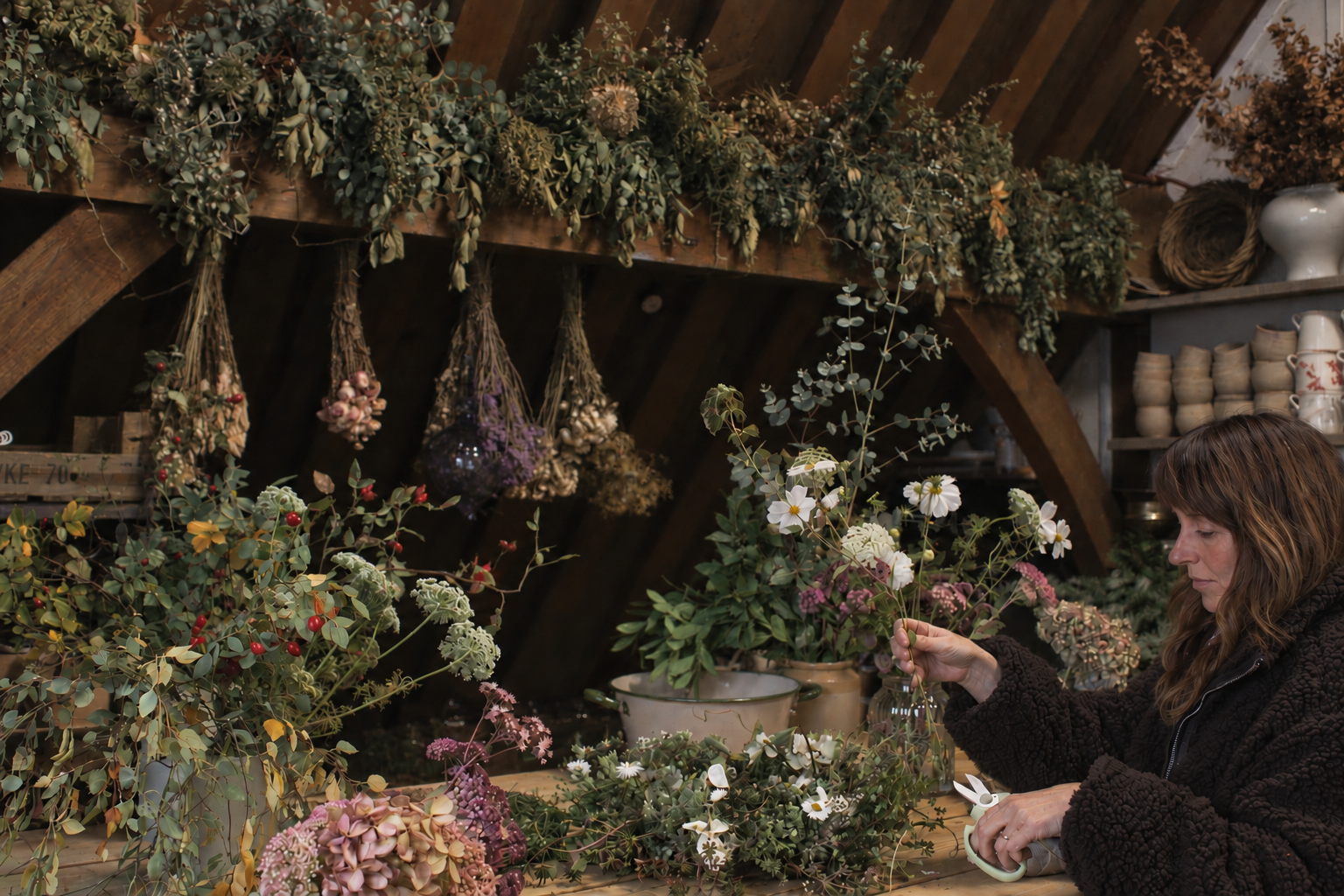
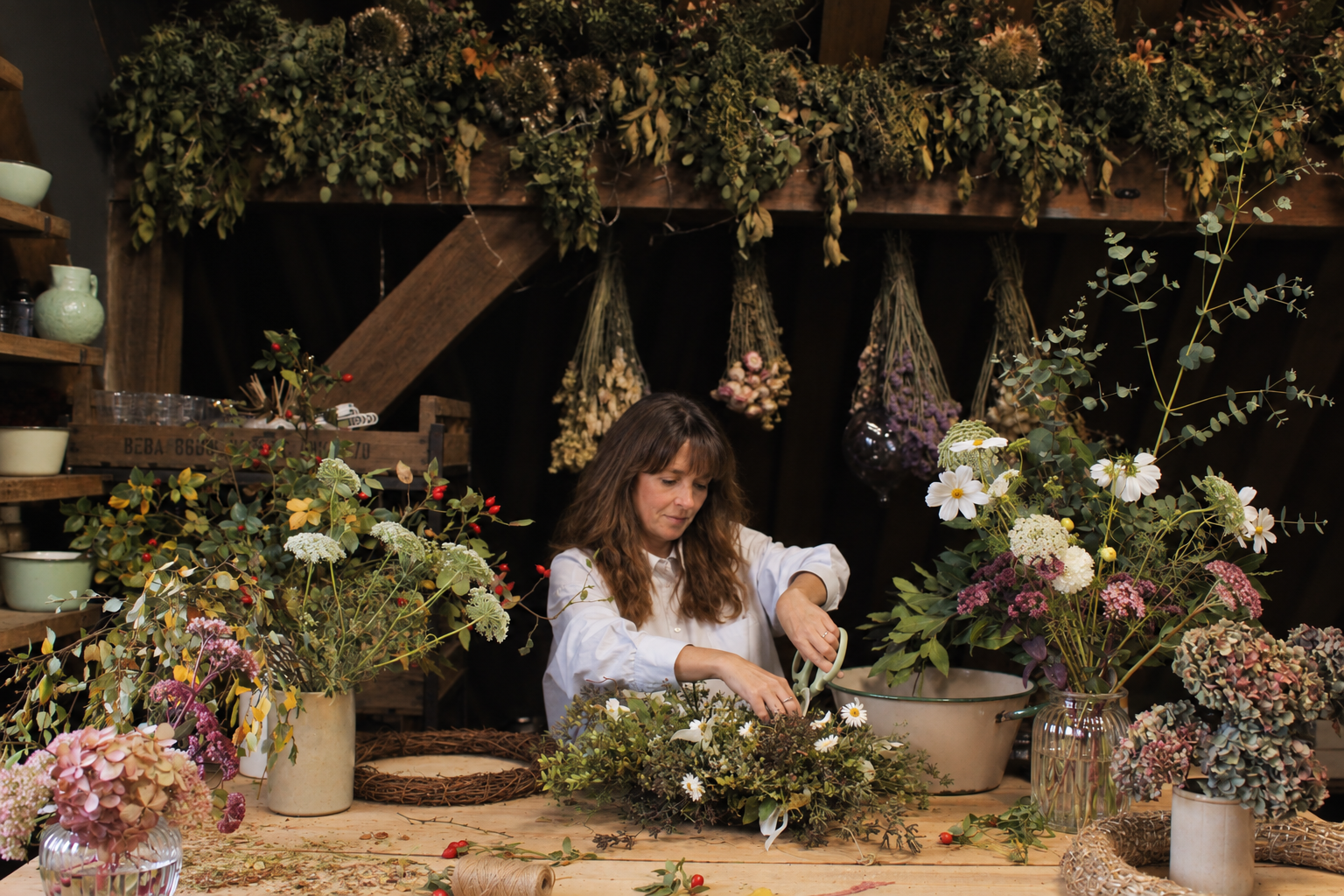
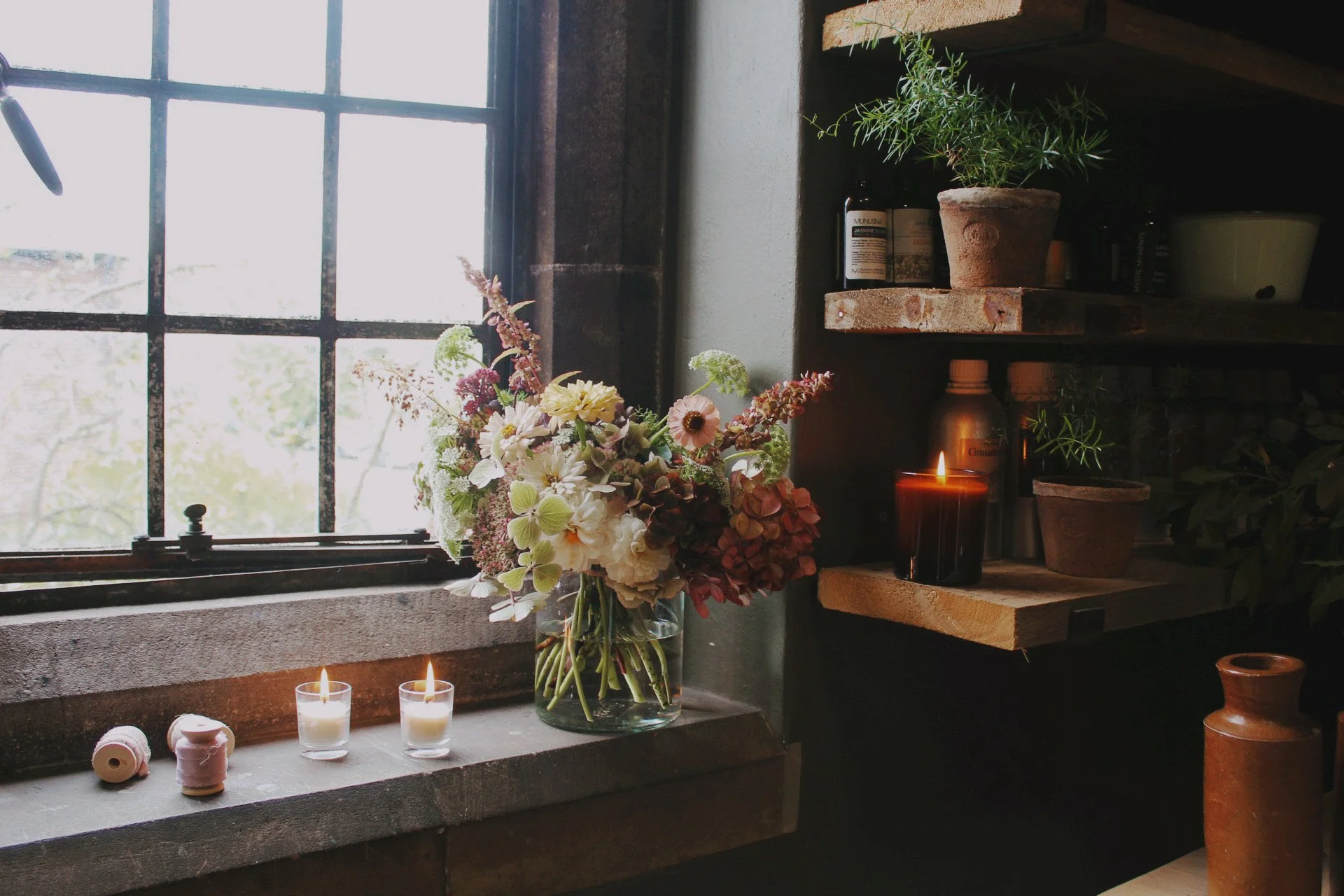
The aim was to create a place to grow properly, to work with my hands, and to spend time observing how plants behave over a full season. Over time, growing led naturally to making, arranging, drying flowers, and working in small batches with materials produced on the plot.
The Wild Potager Co grew directly from this way of working. What is made is informed by what can be grown, and by an understanding of season, availability, and use. Scale has always been secondary to quality and care and allowing the plot to spread its tendrils and be touched by the wild.
Today, my work remains rooted in the potager. It continues to evolve through repetition, attention and adjustment. Shaped by soil, weather, time, and the quiet satisfaction of making things well.
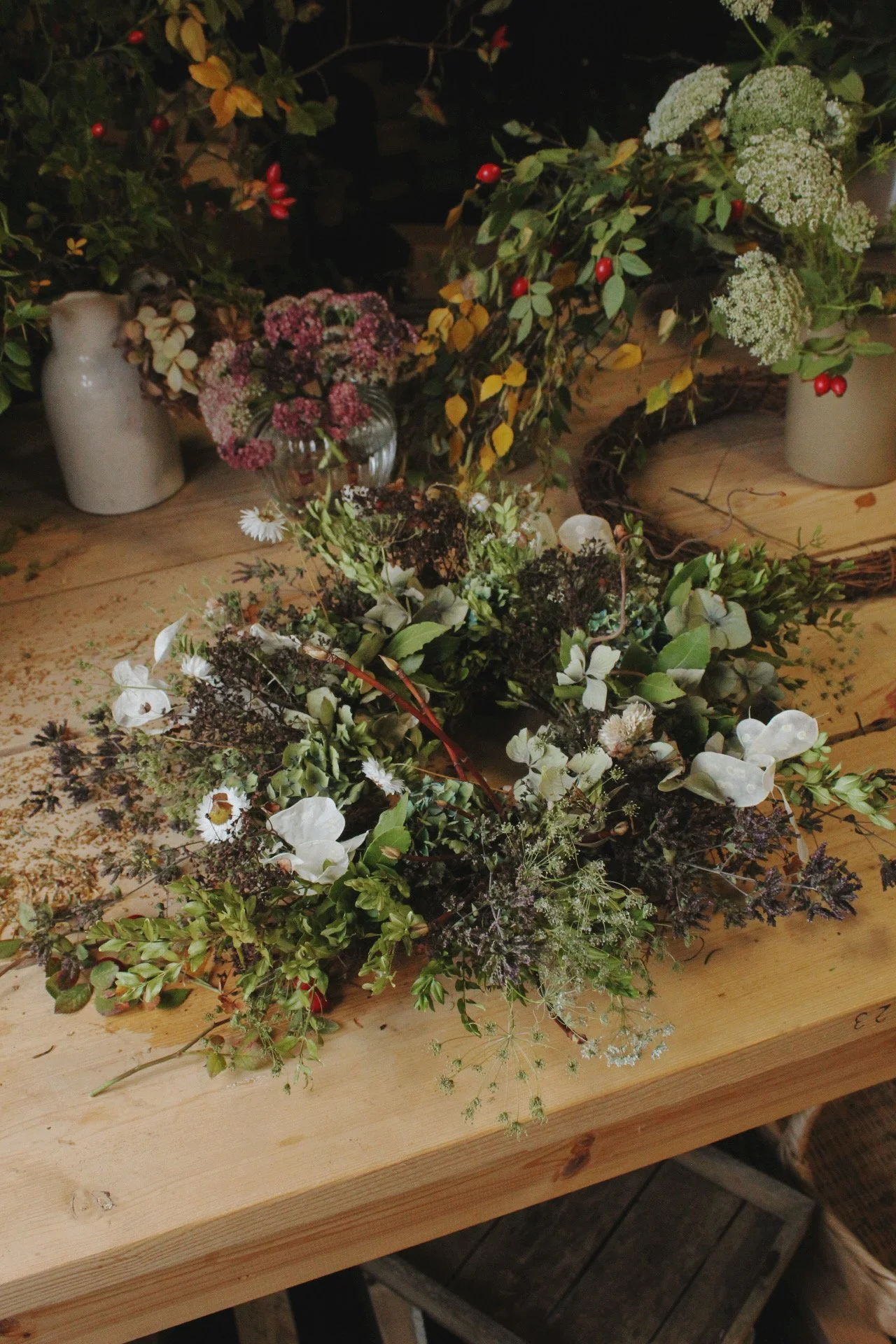
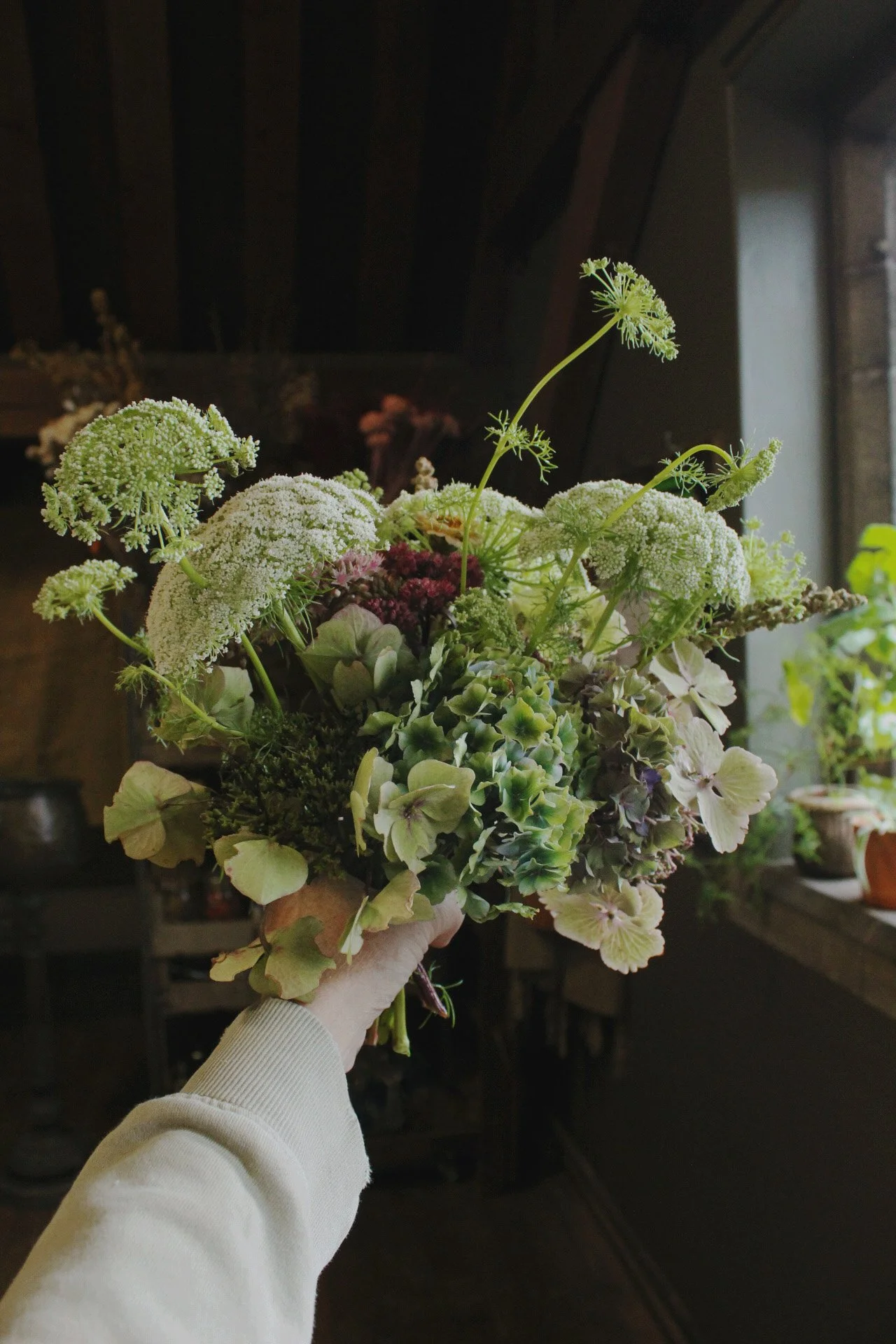
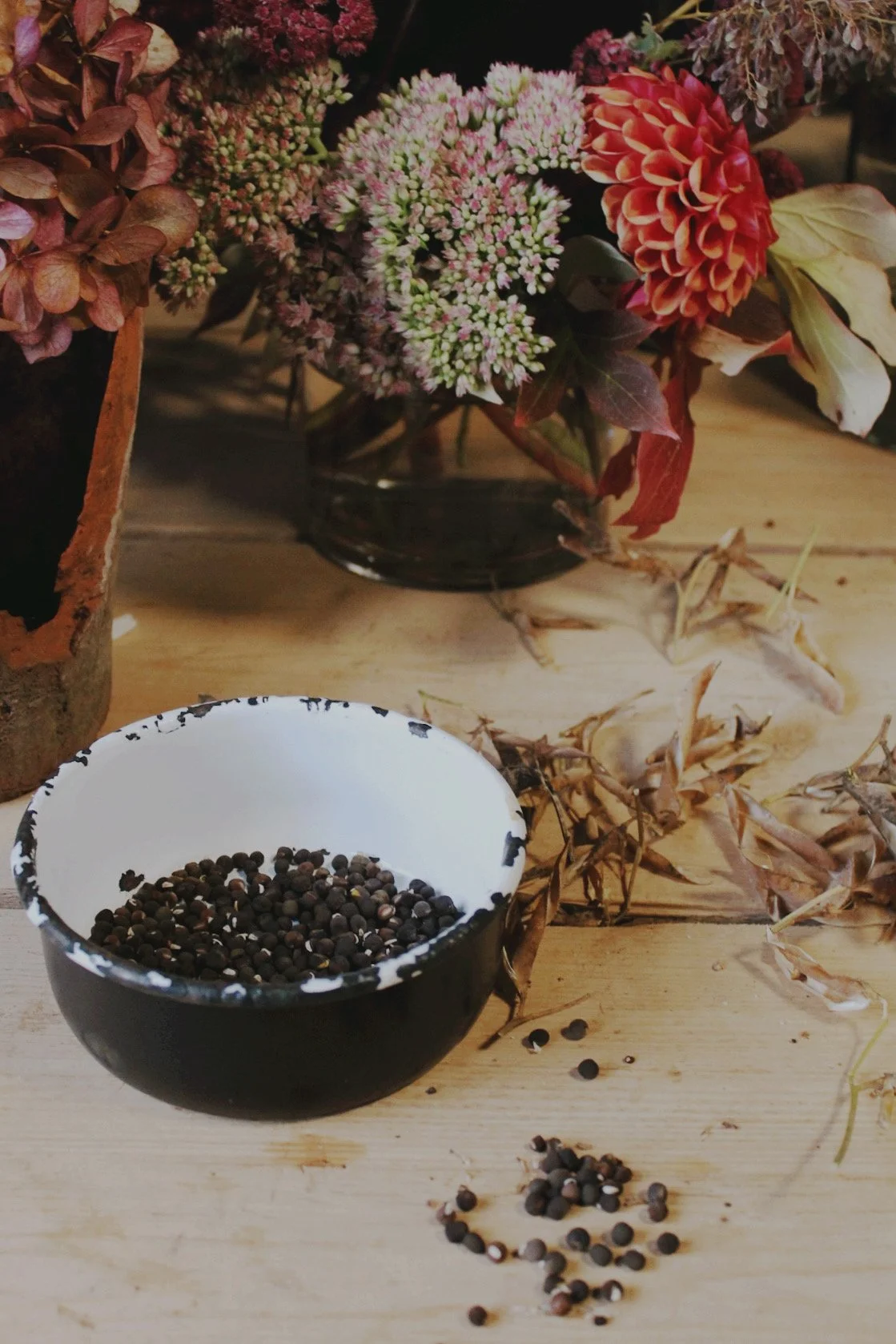
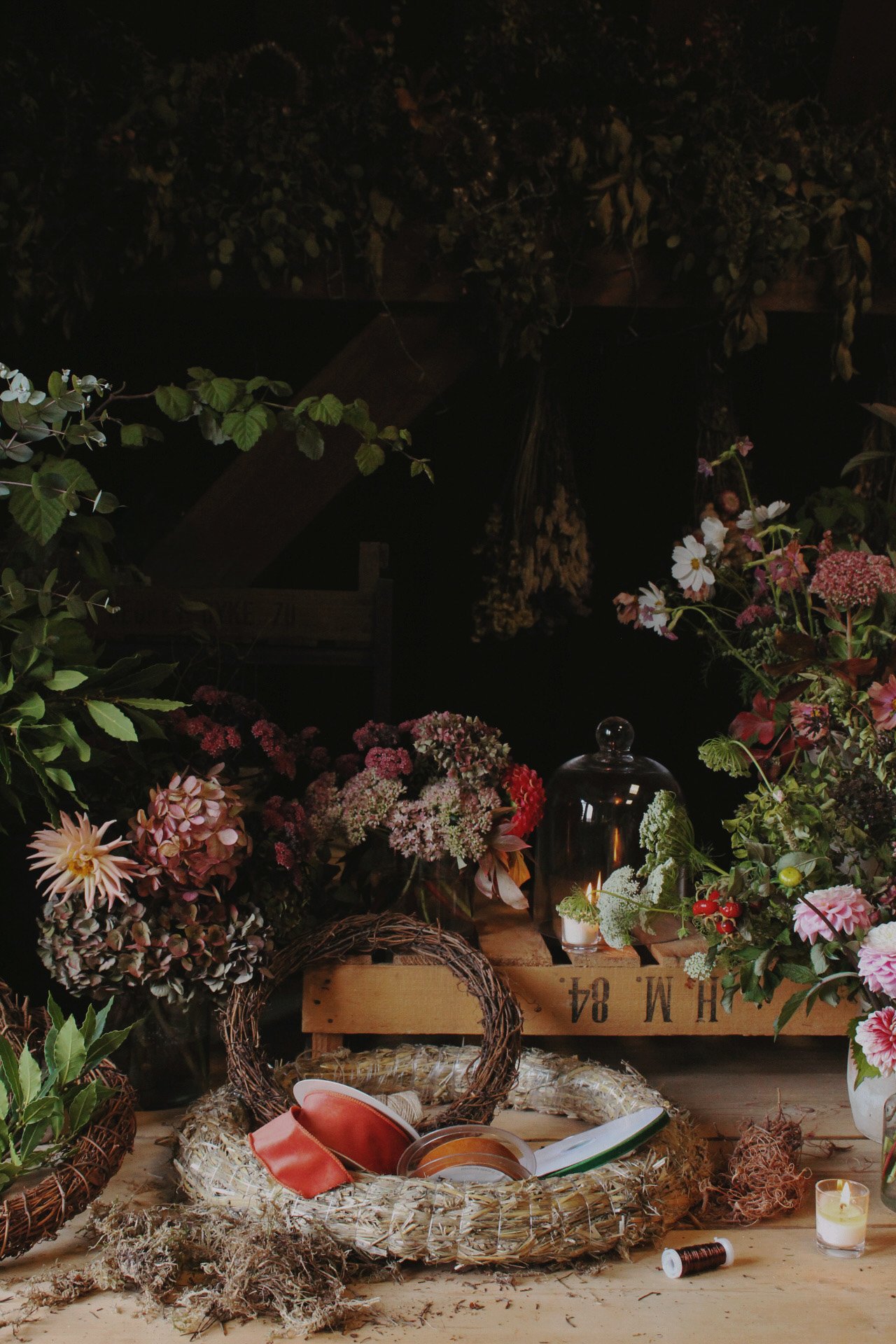
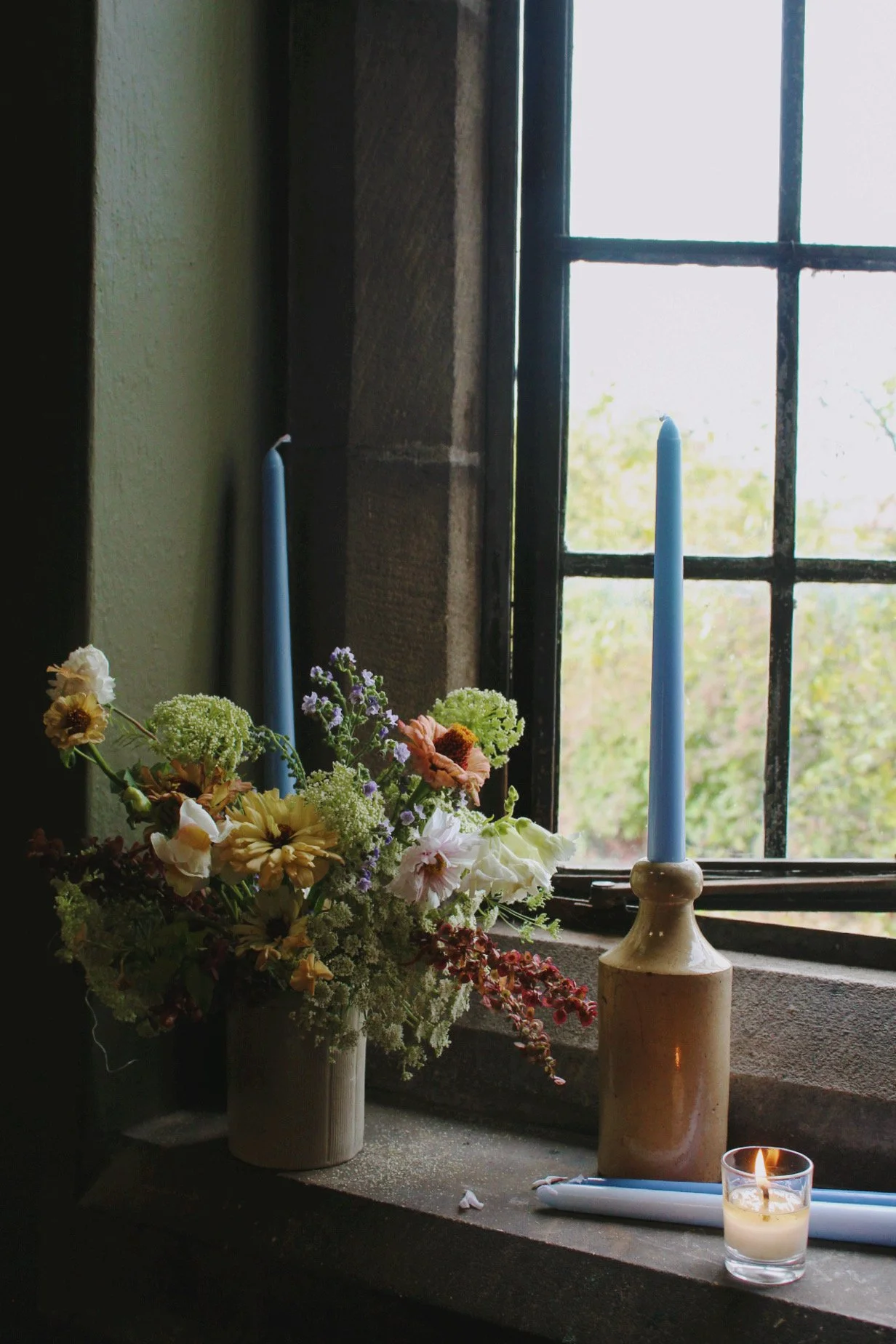
Years of trial and error, arranging, growing for florists, and learning what holds and what doesn’t gradually shaped the way I work. Flowers became more than something to grow; they became a way of understanding season, structure, proportion and place. The work continues to develop through observation and repetition, with each season bringing something to keep, something to change, and something new to learn.