 Image 1 of 2
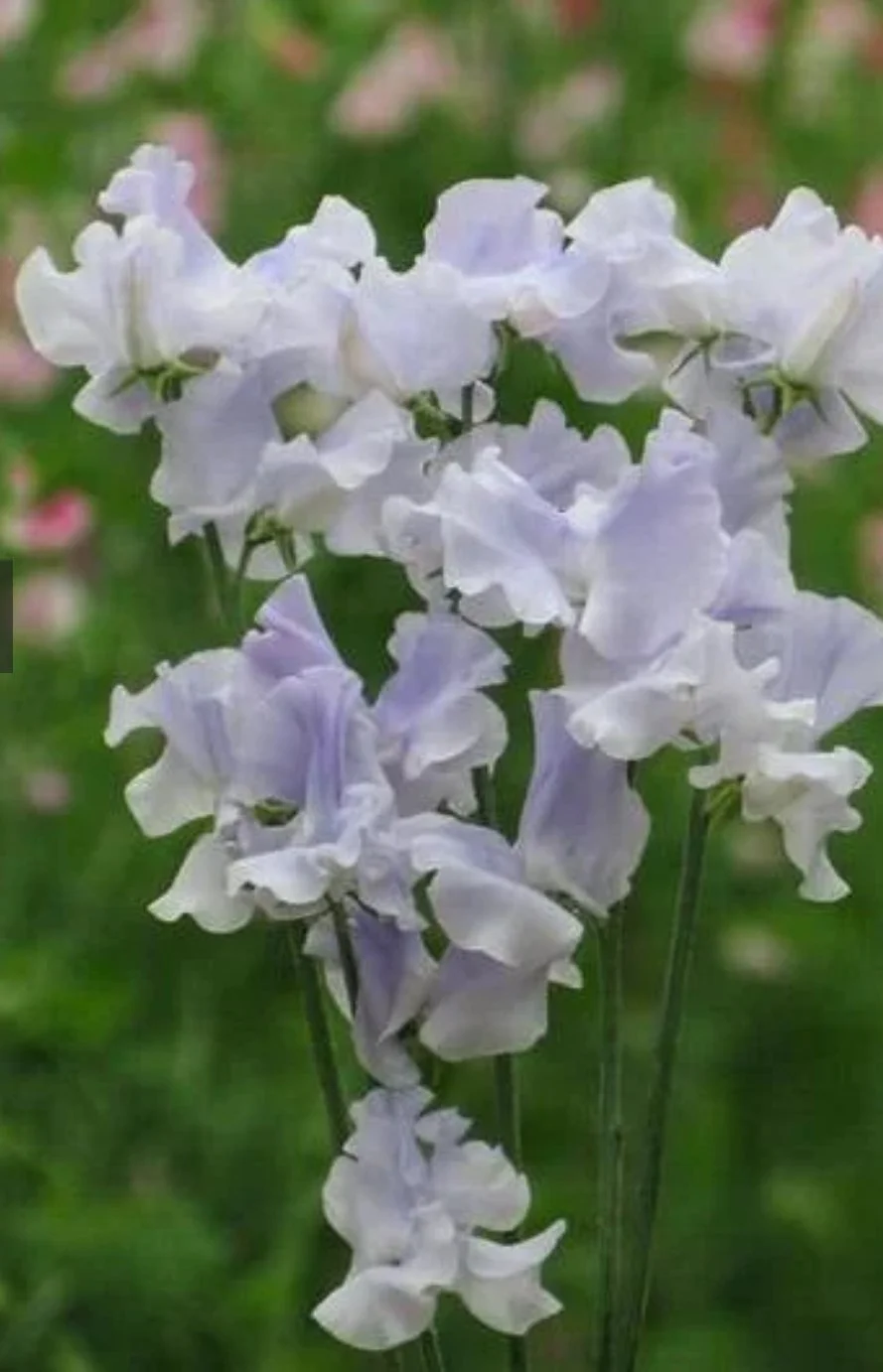 Image 2 of 2
Sweet peas are best grown in groups rather than alone
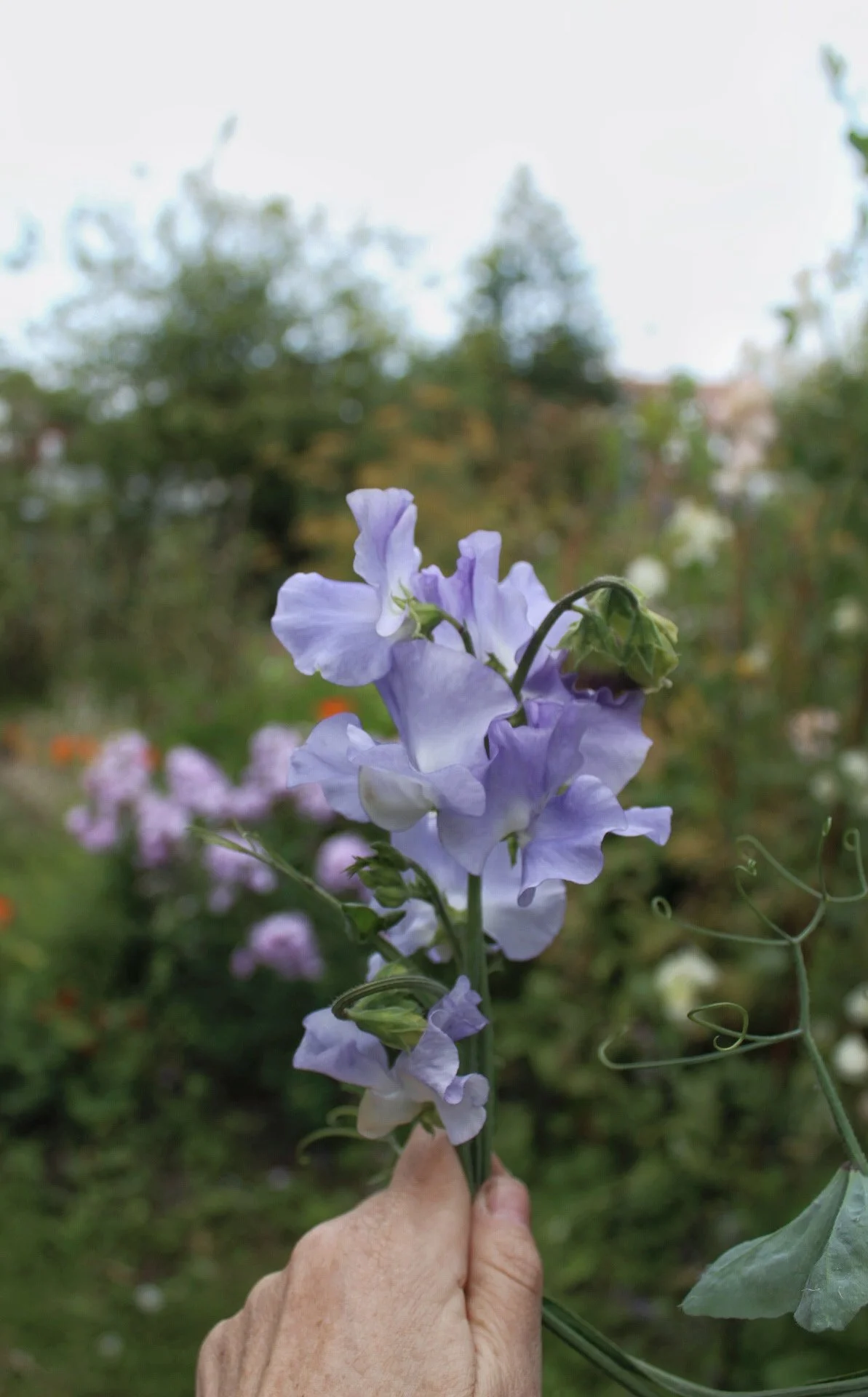
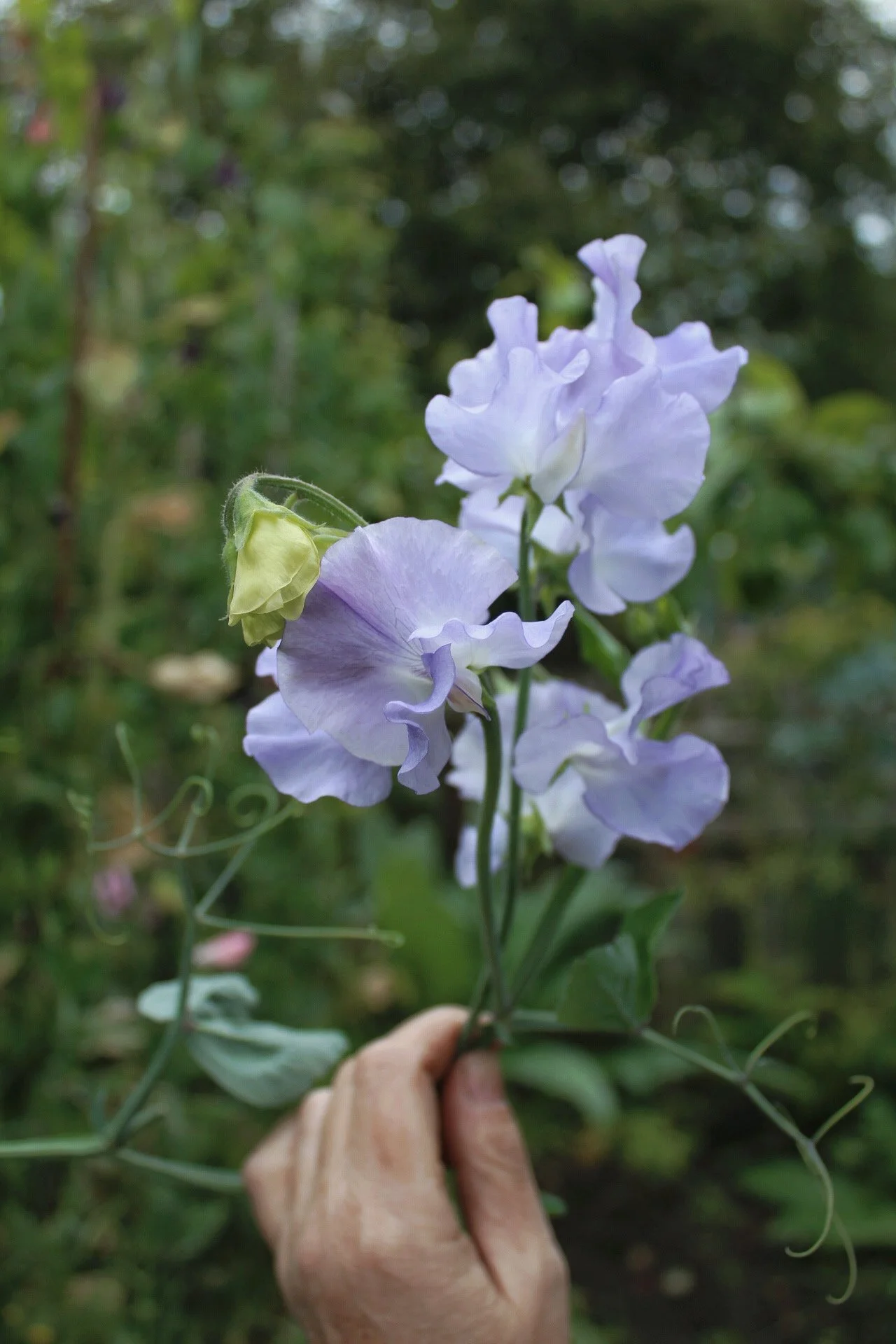
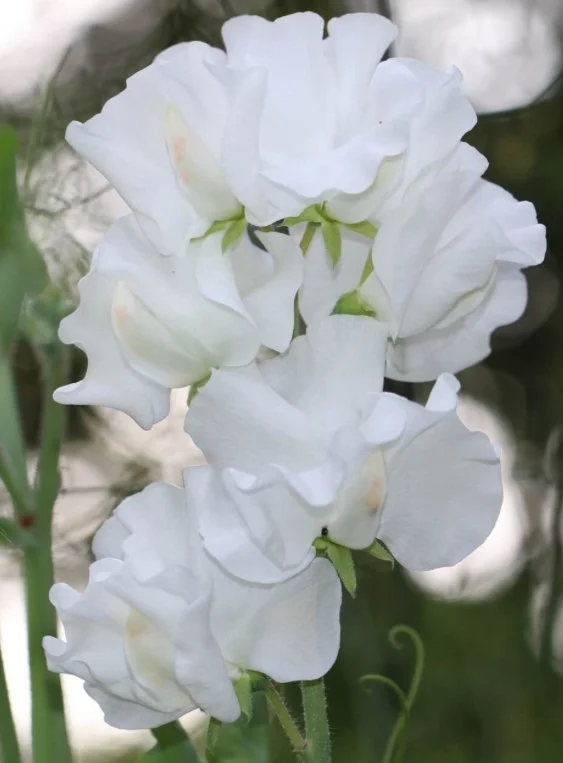
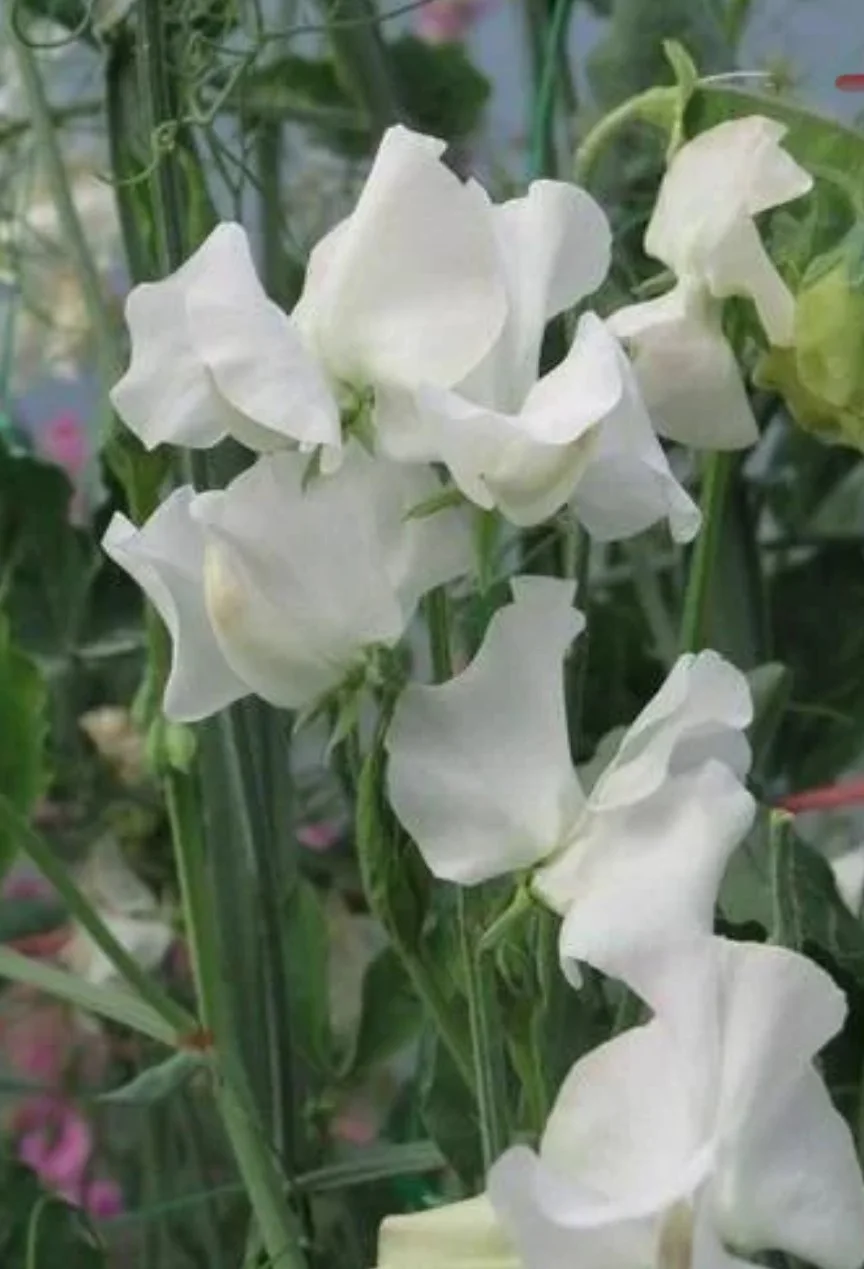
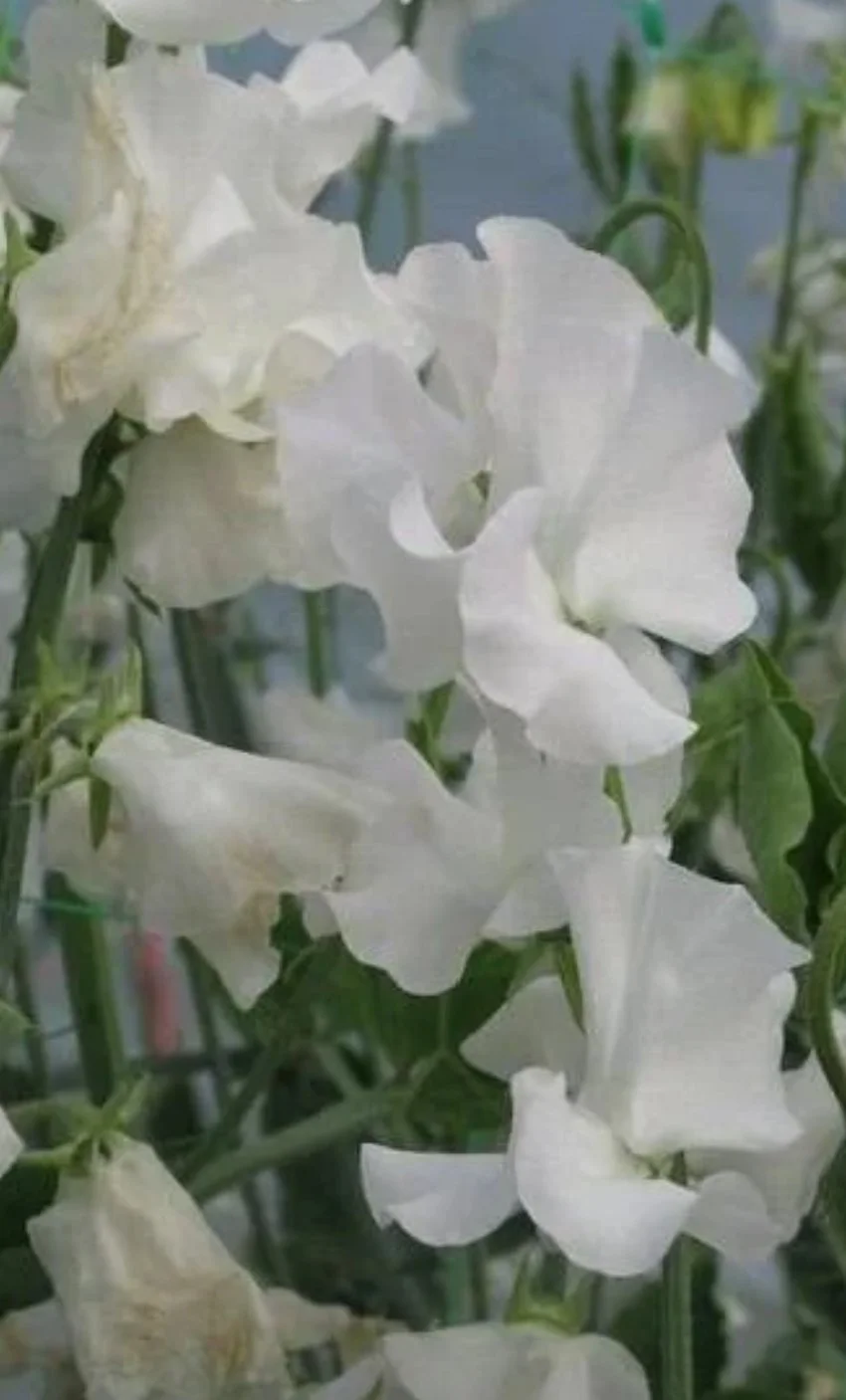
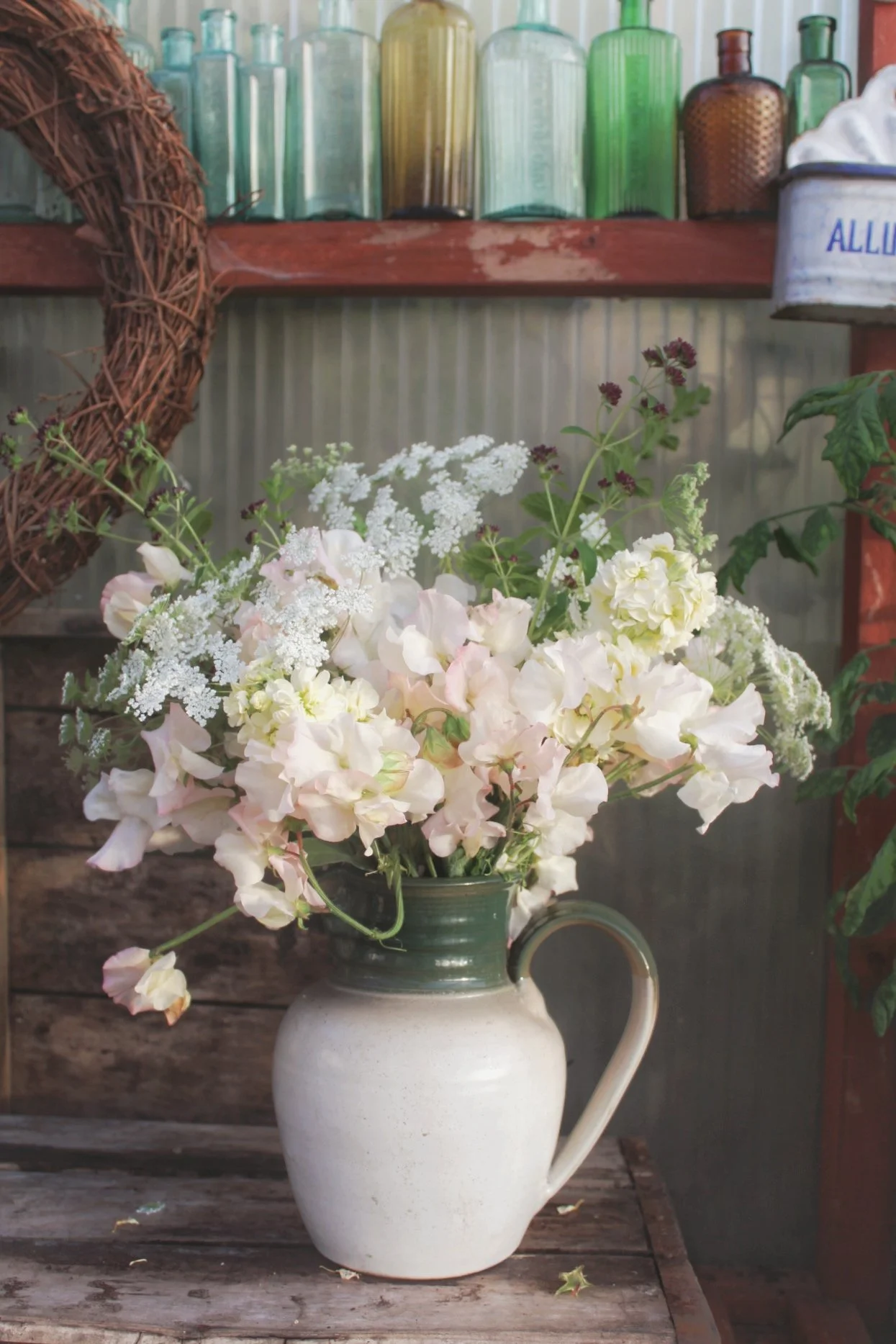
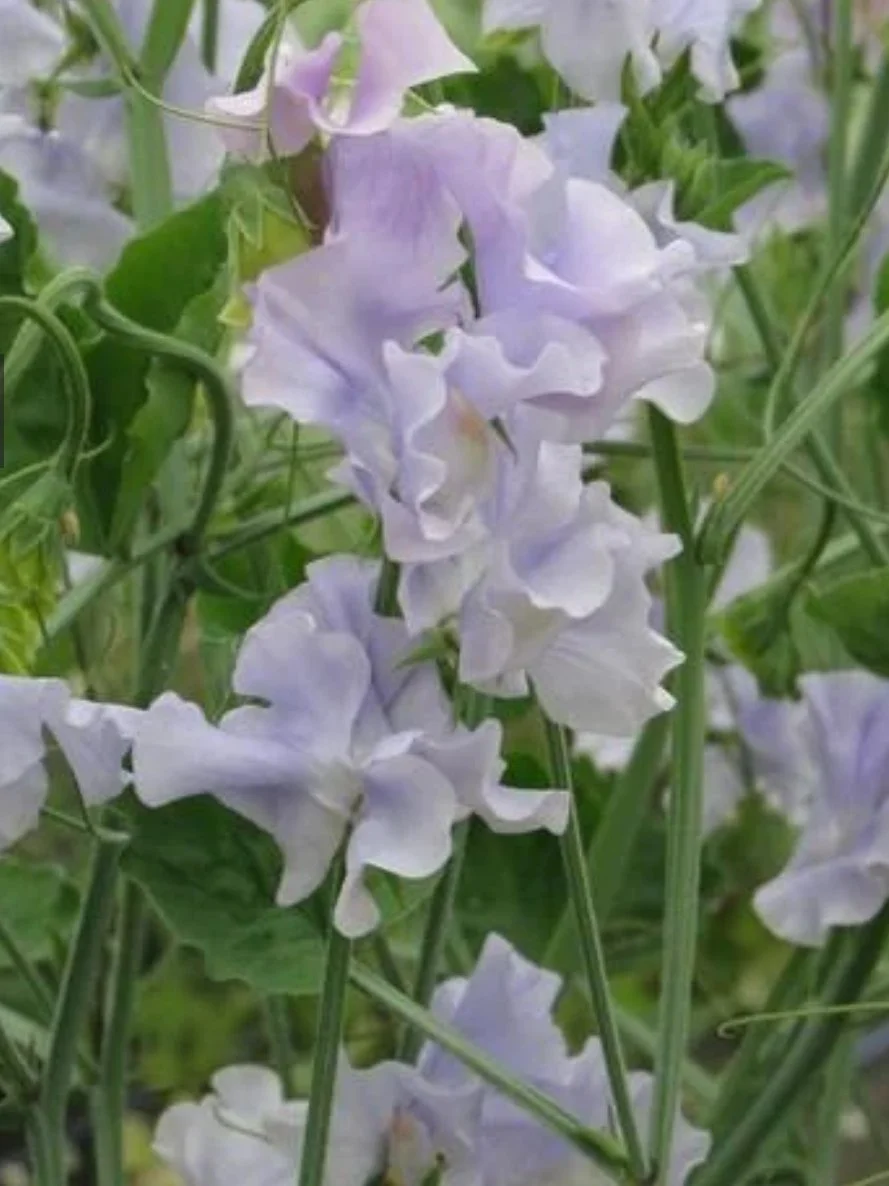
Ballerina Blue produces large, beautifully ruffled flowers in soft pale blue with delicate lavender tones. Highly scented and carried on long, elegant stems, this Spencer type is a lovely choice for cutting, bringing a light, airy quality and classic sweet pea fragrance to summer bouquets and arrangements.
Sow from October to November for earlier flowers, or from late January to April for summer flowering. Sow into deep pots or root trainers, covering the seed with approximately 1cm of compost. Keep at around 15°C until germination. Autumn-sown plants should be overwintered in a cold frame or unheated greenhouse, then planted out in spring. Pinch out the growing tip when seedlings are around 7 to 10cm tall to encourage strong side shoots. Provide support as the plants grow and pick flowers regularly to encourage continued flowering.
Position: Full sun
Height: Approx. 1.8m
Type: Hardy Annual
Common Name: Sweet Pea
Contents: Approximately 10 seeds
Bred by: C W Welsh
Ballerina Blue produces large, beautifully ruffled flowers in soft pale blue with delicate lavender tones. Highly scented and carried on long, elegant stems, this Spencer type is a lovely choice for cutting, bringing a light, airy quality and classic sweet pea fragrance to summer bouquets and arrangements.
Sow from October to November for earlier flowers, or from late January to April for summer flowering. Sow into deep pots or root trainers, covering the seed with approximately 1cm of compost. Keep at around 15°C until germination. Autumn-sown plants should be overwintered in a cold frame or unheated greenhouse, then planted out in spring. Pinch out the growing tip when seedlings are around 7 to 10cm tall to encourage strong side shoots. Provide support as the plants grow and pick flowers regularly to encourage continued flowering.
Position: Full sun
Height: Approx. 1.8m
Type: Hardy Annual
Common Name: Sweet Pea
Contents: Approximately 10 seeds
Bred by: C W Welsh
Sweet peas are best grown in groups rather than alone